Healthcare facilities across India are evolving rapidly and with this transformation comes the need for specialized infrastructure that meets unique operational demands. Custom Hospital Furniture has emerged as a critical investment for medical facilities seeking to enhance patient care, improve staff efficiency and optimize their healthcare delivery systems.
Understanding Custom Hospital Furniture
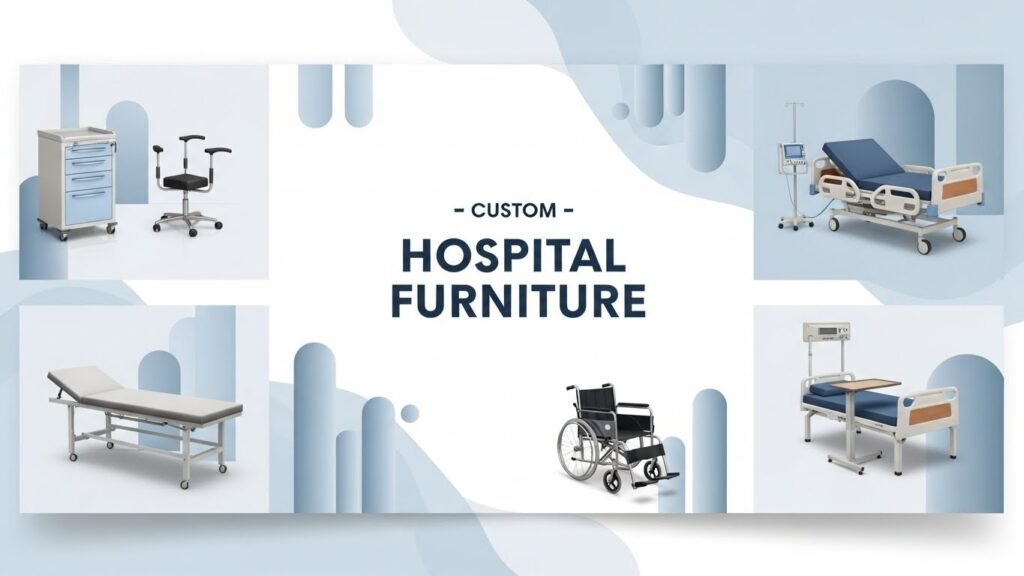
Custom Hospital Furniture refers to medical-grade furniture pieces specifically designed and manufactured to meet the particular requirements of individual healthcare facilities. Unlike standard off-the-shelf options, customized solutions account for factors such as patient demographics, facility size, specialized departments, space constraints and specific clinical workflows. This tailored approach encompasses everything from ICU beds and examination tables to waiting room seating and operating room equipment.
Medical furniture manufacturers work closely with healthcare administrators, architects, and clinical teams to design furniture that addresses functional, ergonomic and safety standards while reflecting the facility’s operational needs. The customization process considers material selection, dimensional requirements, technological integration and compliance with healthcare regulations to deliver furniture that genuinely supports clinical excellence.
When Healthcare Facilities Need Custom Hospital Furniture
New Hospital Construction or Expansion Projects
Healthcare facilities embarking on new construction or expansion projects represent the most opportune time to invest in Custom Hospital Furniture. During the planning phase, medical furniture manufacturers can collaborate with architects and hospital management to create furniture solutions that maximize space utilization while ensuring optimal patient flow. Custom designs allow facilities to integrate furniture seamlessly with building layouts, electrical systems and medical equipment installations from the outset.
Specialized Department Requirements
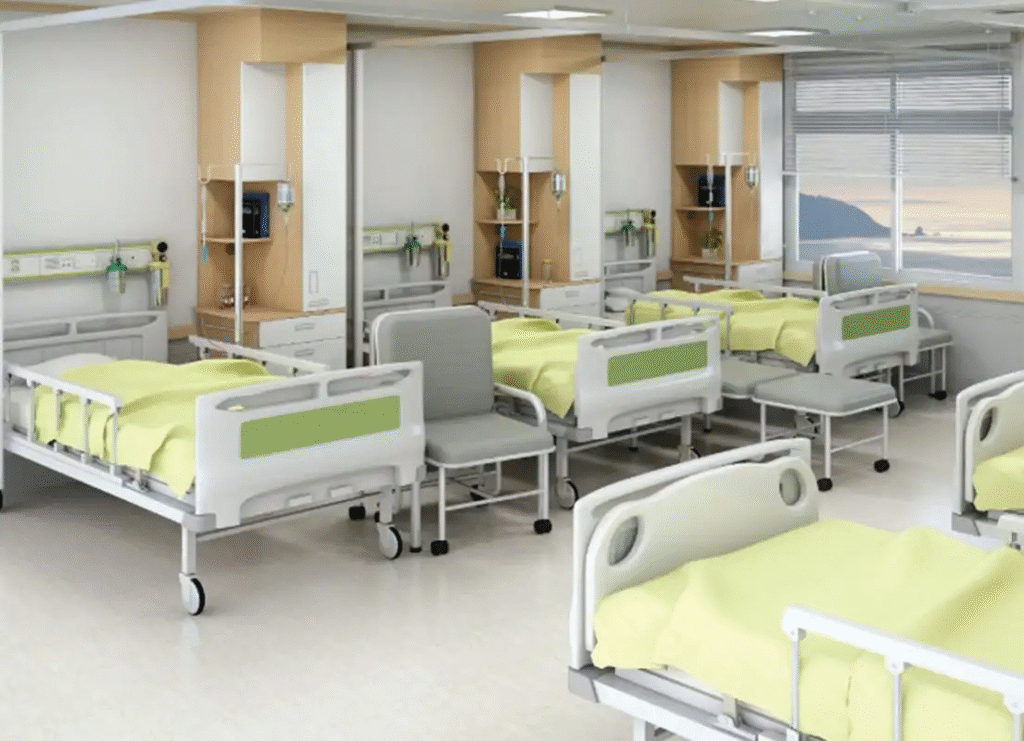
Departments like intensive care units, operating theaters, dialysis centers and pediatric wards have distinct furniture needs that standard products cannot adequately address. Custom Hospital Furniture becomes essential when facilities need ICU beds with specific monitoring integrations, surgical tables with unique positioning capabilities, or pediatric furniture scaled appropriately for younger patients. These specialized environments demand furniture that supports complex medical procedures while maintaining stringent hygiene and safety protocols.
Space Optimization Challenges
Healthcare facilities operating in urban environments or dealing with space constraints require custom solutions to maximize every square foot. Modular furniture designs allow hospitals to adapt spaces for multiple purposes throughout the day, accommodating fluctuating patient volumes and emergency situations. Custom furniture can incorporate vertical storage solutions, multi-functional components and compact designs that maintain functionality without compromising accessibility.
Patient Demographics and Special Needs
Facilities serving specific patient populations such as geriatric care centers, rehabilitation hospitals, or bariatric treatment centers require furniture tailored to their patients’ unique physical requirements. Custom Hospital Furniture for elderly patients might feature lower bed heights, enhanced grab bars and non-slip surfaces, while bariatric furniture requires reinforced weight-bearing capacities and wider dimensions. This customization ensures patient safety, comfort and dignity during treatment and recovery.
Technology Integration Requirements
Modern healthcare increasingly relies on digital health technologies and electronic medical records. Custom Hospital Furniture can integrate these technological requirements through built-in charging stations, cable management systems, tablet mounts and sensor-equipped surfaces that support smart hospital operations. Medical furniture manufacturers can design beds with integrated patient monitoring systems and workstations with seamlessly incorporated digital interfaces.
Brand Identity and Patient Experience Goals
Healthcare facilities positioning themselves as premium providers or specialty centers often invest in custom furniture that reflects their brand identity and enhances patient perception. Customized designs allow facilities to select finishes, colors and styles that create welcoming, aesthetically pleasing environments while maintaining medical functionality. This attention to design contributes significantly to patient satisfaction scores and the overall healthcare experience.
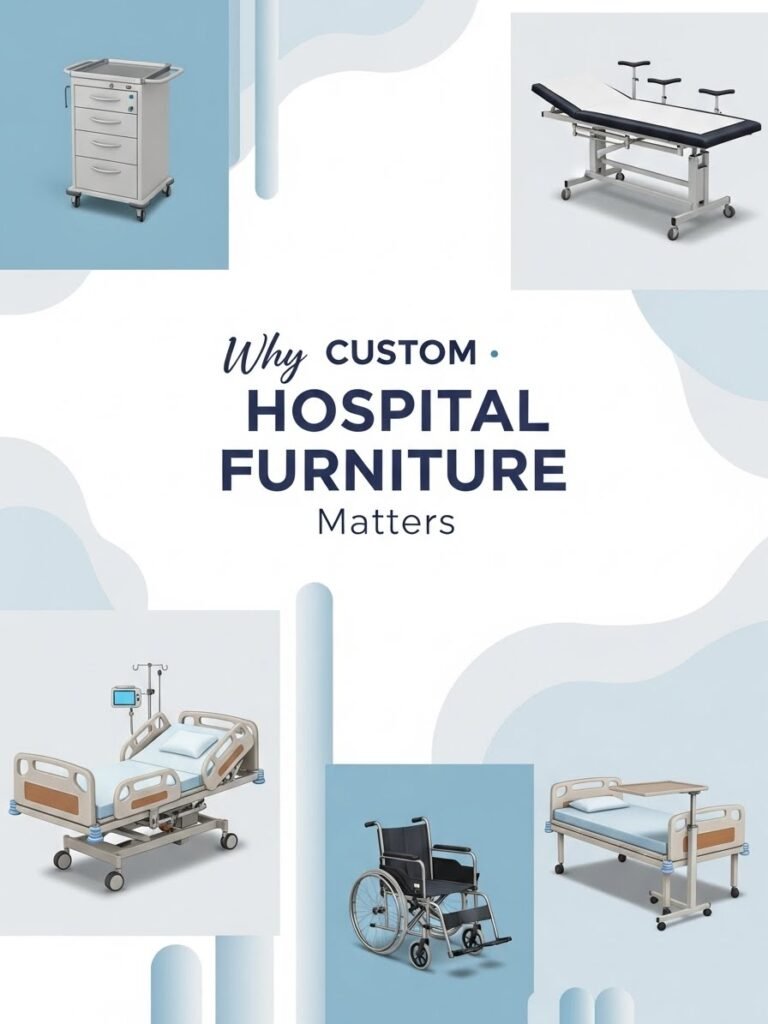
Why Custom Hospital Furniture Matters
Enhanced Patient Comfort and Recovery
Patient comfort directly influences recovery outcomes and Custom Hospital Furniture addresses this through ergonomic designs tailored to specific patient needs. Adjustable beds that accommodate various medical positions, customized seating that supports proper posture and furniture designed for easy patient mobility all contribute to faster healing and improved patient satisfaction.
Improved Staff Efficiency and Reduced Fatigue
Healthcare professionals spend long hours providing patient care and poorly designed furniture contributes to physical strain and reduced productivity. Custom Hospital Furniture addresses ergonomic needs through adjustable height workstations, easily accessible storage solutions, and mobile equipment that minimizes unnecessary movement. Medical furniture manufacturers can design trolleys, medical carts, and examination furniture that align with clinical workflows, reducing time wastage and allowing staff to focus on patient care rather than struggling with inadequate equipment.
Superior Infection Control
Hospital-acquired infections remain a significant concern for healthcare facilities, and custom furniture plays a crucial role in infection prevention strategies. Medical furniture manufacturers can incorporate antimicrobial surfaces, seamless designs that eliminate bacteria-harboring crevices, and materials specifically selected for easy sanitization. Custom Hospital Furniture designed with infection control in mind features fluid-resistant materials, antibacterial coatings, and construction methods that facilitate thorough cleaning protocols.
Long-Term Cost Effectiveness
While Custom Hospital Furniture requires higher initial investment compared to standard options, it delivers superior long-term value. Durability-focused designs using high-quality materials reduce replacement frequency and maintenance costs over the furniture’s lifecycle. Custom solutions also eliminate the need to retrofit or modify standard furniture, preventing additional expenses and operational disruptions. Healthcare facilities investing in properly designed custom furniture allocate budgets more efficiently toward patient care and medical advancements rather than frequent furniture replacements.
Optimal Space Utilization
Healthcare facilities face constant pressure to accommodate more patients within existing spaces, making efficient space utilization critical. Custom Hospital Furniture addresses this challenge through modular designs that adapt to changing needs, foldable options that create multi-purpose spaces, and compact solutions that maintain functionality in limited areas. Medical furniture manufacturers can design storage-integrated beds, wall-mounted examination equipment, and stackable waiting room furniture that maximize available space without compromising patient care quality.
Regulatory Compliance and Safety Standards
Healthcare facilities must comply with numerous safety regulations and industry standards that vary by region and facility type. Custom Hospital Furniture ensures compliance through designs that incorporate required safety features such as lockable wheels, adjustable guardrails, anti-slip surfaces, and appropriate weight-bearing capacities. Medical furniture manufacturers familiar with healthcare regulations can design furniture that meets international standards while addressing facility-specific requirements.
Sustainability and Environmental Responsibility
Modern healthcare facilities increasingly prioritize environmental sustainability, and Custom Hospital Furniture supports these goals. Medical furniture manufacturers can incorporate recyclable materials, use non-toxic finishes, and design for disassembly and future reuse. Energy-efficient features in hospital beds and equipment reduce electricity consumption, while durable construction minimizes waste from frequent replacements. Sustainable custom furniture helps facilities reduce their carbon footprint while meeting green building certification requirements.
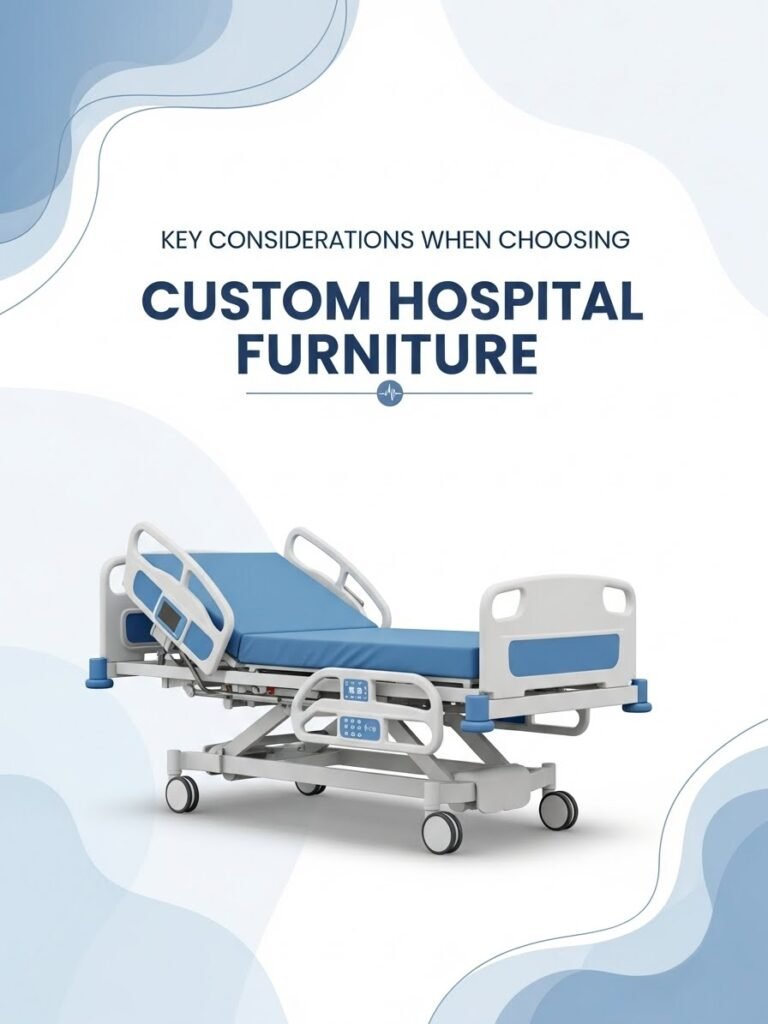
Key Considerations When Choosing Custom Hospital Furniture
Selecting the Right Medical Furniture Manufacturer
Choosing an experienced medical furniture manufacturer determines the success of custom furniture investments. Healthcare facilities should evaluate manufacturers based on their industry experience, customization capabilities, compliance certifications, and ability to provide end-to-end solutions from design through installation. The ideal manufacturer offers consultative design services, works collaboratively with hospital teams, and provides timely delivery with strong distribution networks.
Material Selection and Durability
Custom Hospital Furniture materials must balance durability, hygiene, safety, and aesthetics. Stainless steel offers superior corrosion resistance and hygiene for high-contact surfaces, while advanced polymers provide lightweight durability and design flexibility. Medical furniture manufacturers should recommend materials with proven longevity in healthcare environments, antibacterial properties, and resistance to harsh cleaning chemicals.
Customization Scope and Flexibility
Effective Custom Hospital Furniture projects balance specific customization with practical manufacturing constraints. Healthcare facilities should clearly define which aspects require customization such as dimensions, materials, technological integration, or aesthetic elements and work with medical furniture manufacturers to achieve these goals within budget parameters. Modular designs offer excellent flexibility, allowing future modifications as facility needs evolve.
Installation and After-Sales Support
Custom furniture investments require professional installation and ongoing support to deliver expected value. Medical furniture manufacturers should provide expert installation teams, staff training on furniture features and maintenance, and responsive after-sales service for repairs and adjustments. Warranty coverage and spare parts availability represent important considerations for long-term furniture performance.
Conclusion
Custom Hospital Furniture represents a strategic investment for healthcare facilities committed to delivering exceptional patient care while optimizing operational efficiency. Whether building new facilities, upgrading specialized departments, or addressing unique patient populations, custom solutions from experienced medical furniture manufacturers provide tangible benefits that standard furniture cannot match.
From enhanced infection control and patient comfort to improved staff productivity and long-term cost savings, the advantages of customization justify the investment for healthcare facilities focused on excellence. As the healthcare landscape continues evolving, Custom Hospital Furniture will remain essential for facilities seeking to create healing environments that serve patients, support staff and contribute to positive health outcomes.
FAQs – Custom Hospital Furniture
Q1. What is Custom Hospital Furniture?
Custom Hospital Furniture refers to medical-grade furniture designed specifically to meet the unique operational, spatial, and clinical needs of healthcare facilities. Unlike standard furniture, it is tailored for patient comfort, staff efficiency, infection control and regulatory compliance.
Q2. When should a hospital invest in custom hospital furniture?
Hospitals should invest during new construction, facility expansion, department upgrades, or when serving specialized patient groups such as ICU, pediatric, geriatric, or bariatric care units.
Q3. How does custom hospital furniture improve patient care?
Customized furniture enhances comfort, accessibility, and safety through ergonomic designs, adjustable features, and patient-specific dimensions, which contribute to faster recovery and higher patient satisfaction.
Q4. Is custom hospital furniture more expensive than standard furniture?
While the initial cost may be higher, custom hospital furniture offers long-term cost savings due to superior durability, reduced maintenance, better space utilization, and fewer replacements over time.
Q5. Can custom hospital furniture support infection control?
Yes. Medical furniture manufacturers can design furniture with antimicrobial surfaces, seamless joints, fluid-resistant materials, and easy-to-clean finishes to support strict infection control protocols.