

A hospital wheelchair is more than just a mode of transport; it’s a vital medical aid that represents comfort, dignity, and independence for patients. Whether used temporarily during recovery or as a permanent mobility solution, a high-quality wheelchair ensures smooth movement, safety, and support.
In hospitals, clinics and home-care settings, wheelchairs help caregivers transport patients efficiently while providing stability and ease of use. Choosing the right model requires more than just looking at price; you need to evaluate comfort, safety, durability, and design to find one that fits both patient needs and hospital standards. This Hospital Wheelchair Buying Guide will help you make an informed decision, ensuring you select a wheelchair that balances quality, performance, and patient comfort.
The Ultimate Hospital Wheelchair Buying Guide for Maximum Comfort and Safety
Here’s a quick buying guide for hospital wheelchairs to help you choose comfort, safety, and durability.
What is a Hospital Wheelchair?
A hospital wheelchair is a specially designed chair equipped with wheels that helps patients move from one place to another safely. It supports those who are temporarily or permanently unable to walk due to illness, injury, or surgery.
Unlike standard or home-use wheelchairs, hospital-grade models are built for frequent use, patient comfort, and hygiene. They often include advanced safety features like anti-tip bars, secure brakes, and adjustable components, making them ideal for hospitals, clinics, and nursing homes.
The Role of a Wheelchair in Patient Care
A wheelchair does more than provide mobility; it plays an essential role in patient recovery and hospital efficiency.
For Patients:
- Ensures mobility and independence
- Reduces fatigue from walking or standing
- Provides comfort during recovery or rehabilitation
- Improves quality of life for long-term patients

For Caregivers and Hospitals:
- Simplifies patient transportation
- Reduces manual lifting and physical strain
- Enhances patient safety during transfers
- Helps maintain a smooth hospital workflow
Fact: Studies show that ergonomic, comfortable wheelchairs can significantly reduce pressure injuries and discomfort during long-term hospital stays.
3. Types of Hospital Wheelchairs
Choosing the right wheelchair type depends on the patient’s condition, mobility level, and usage duration. Let’s explore the main categories:
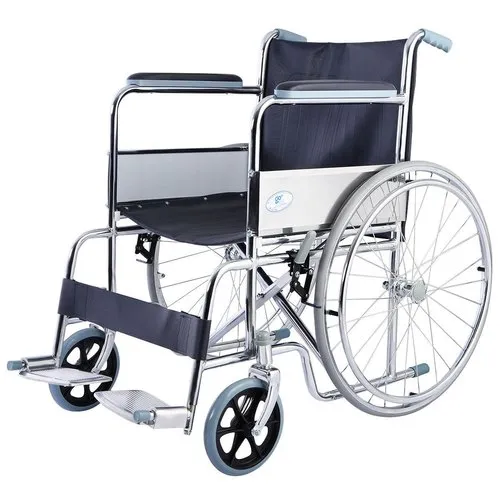
A. Manual Wheelchairs
These wheelchairs are propelled either by the patient or a caregiver. They are cost-effective, lightweight, and ideal for short-term use or recovery periods.
Features:
- Foldable frame
- Manual hand rims
- Lightweight aluminum or steel body
- Easy to maneuver
Best For: Patients with temporary injuries, post-surgery recovery, or those with upper body strength.
Read more about the differences between manual vs electric wheelchairs .
B. Transport Wheelchairs
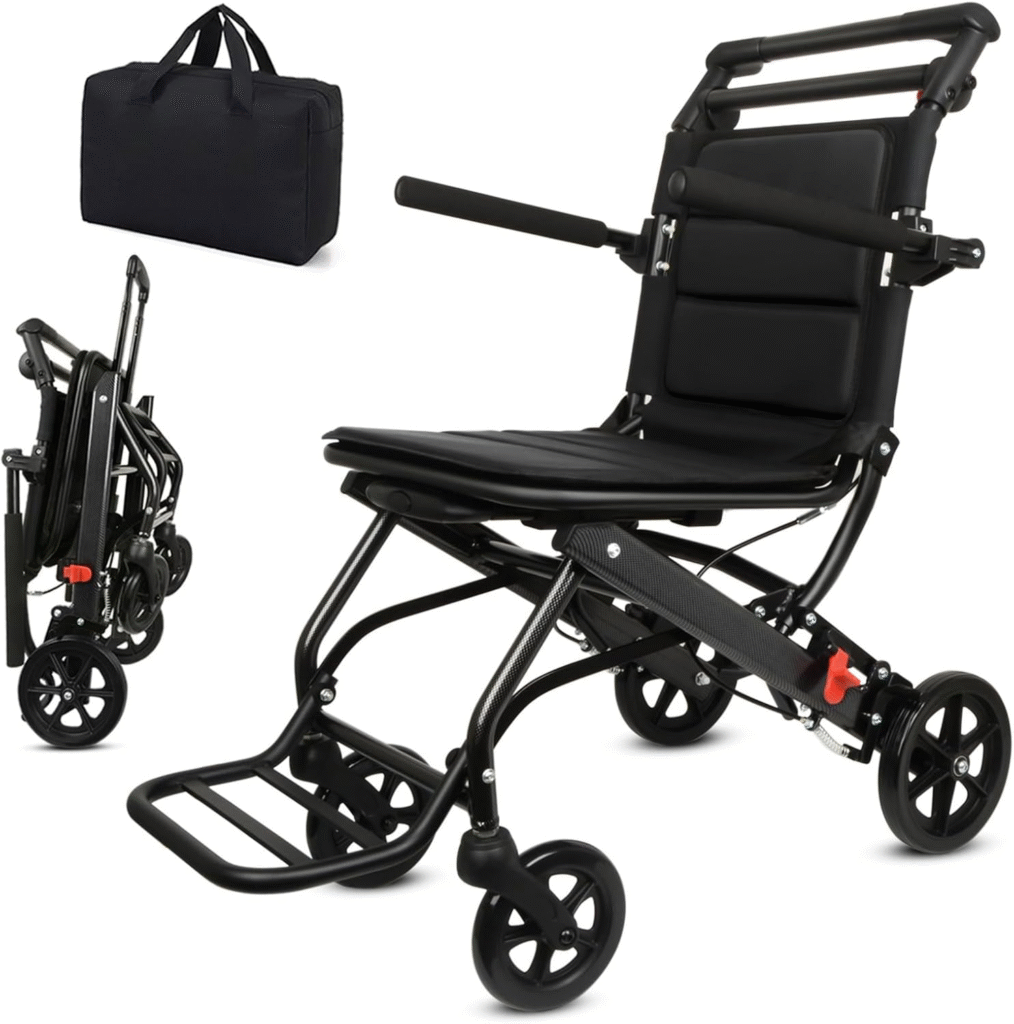
Designed for short distances and easy handling, these are often used for moving patients between hospital rooms or to different departments.
Features:
- Four small wheels
- Pushed by a caregiver
- Compact and lightweight design
- Lockable brakes
Best For: Short-distance transfers within hospitals or clinics.
C. Reclining Wheelchairs
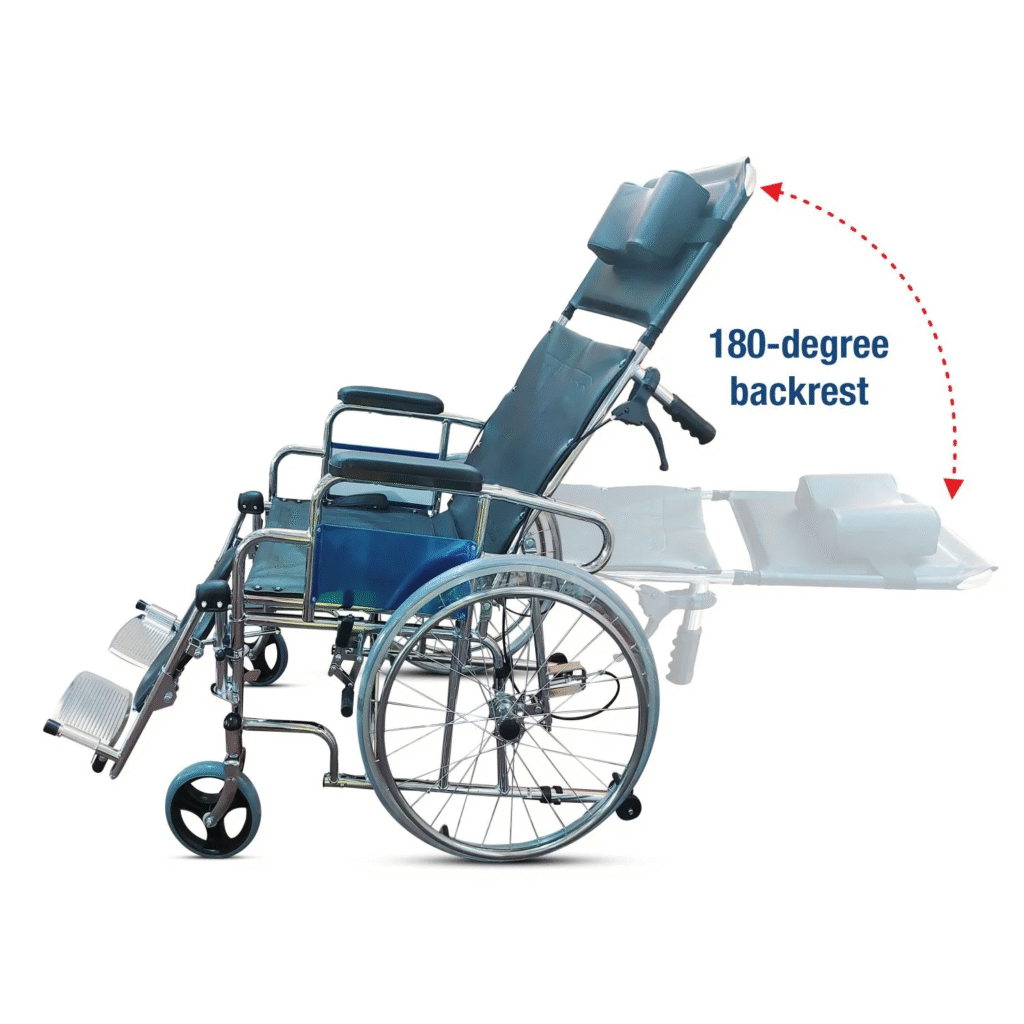
These wheelchairs allow the user to recline the backrest and elevate their legs, providing enhanced comfort and pressure relief.
Features:
- Adjustable backrest and leg support
- Padded cushions for comfort
- Stable and supportive design
Best For: Long-term patients, post-surgery recovery, or those with circulation or spinal issues.
D. Electric (Power) Wheelchairs
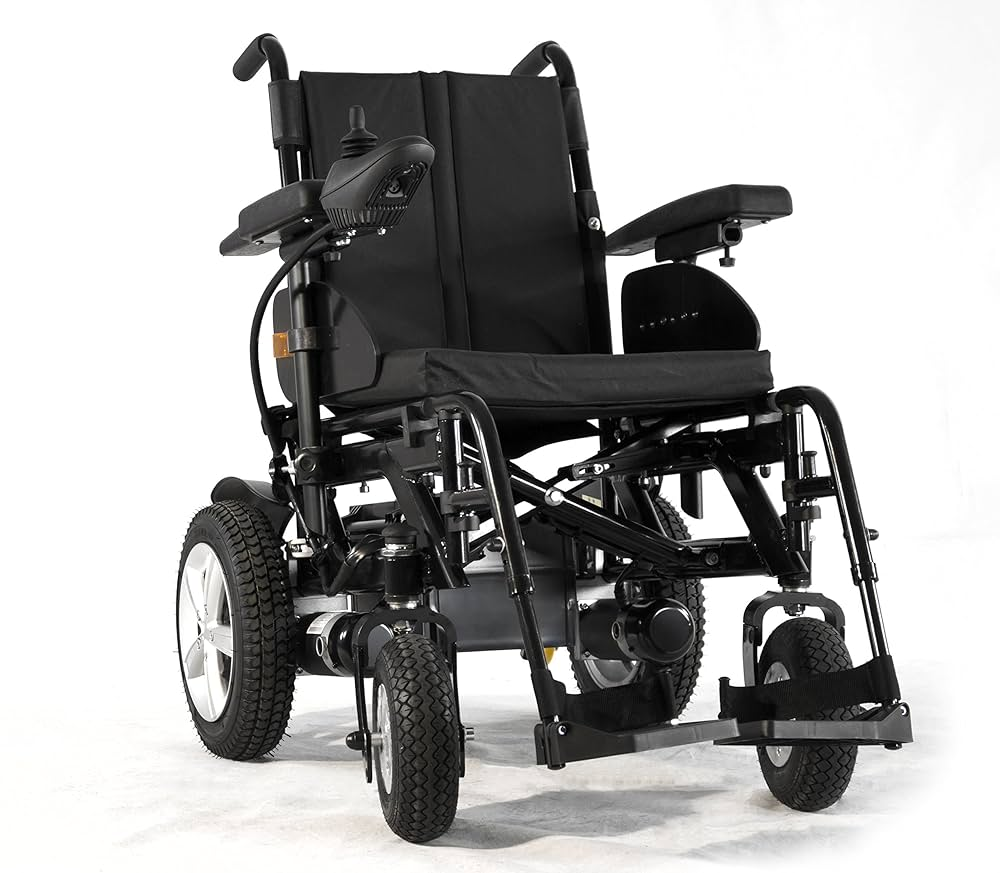
Powered by a battery and controlled with a joystick, these provide effortless mobility and independence for long-term or disabled patients.
Features:
- Rechargeable battery system
- Motorized wheels
- Adjustable seat and joystick controls
- Anti-tip safety mechanisms
Best For: Patients with limited hand or arm mobility, or long-term care needs.
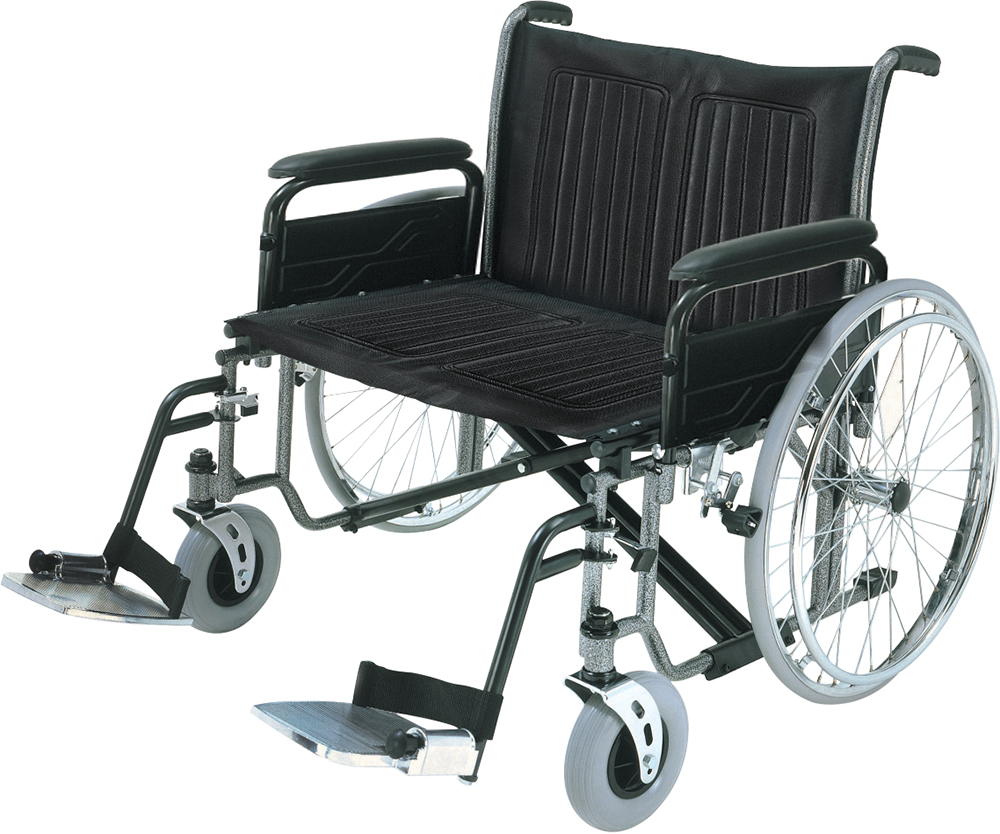
E. Bariatric Wheelchairs
Built for strength and stability, these wheelchairs are designed to support heavier patients.
Features:
- Reinforced steel frame
- Wider seat dimensions
- Heavy-duty wheels
- Higher weight capacity (up to 250 kg or more)
Best For: Obese or high-weight patients requiring extra support and safety.
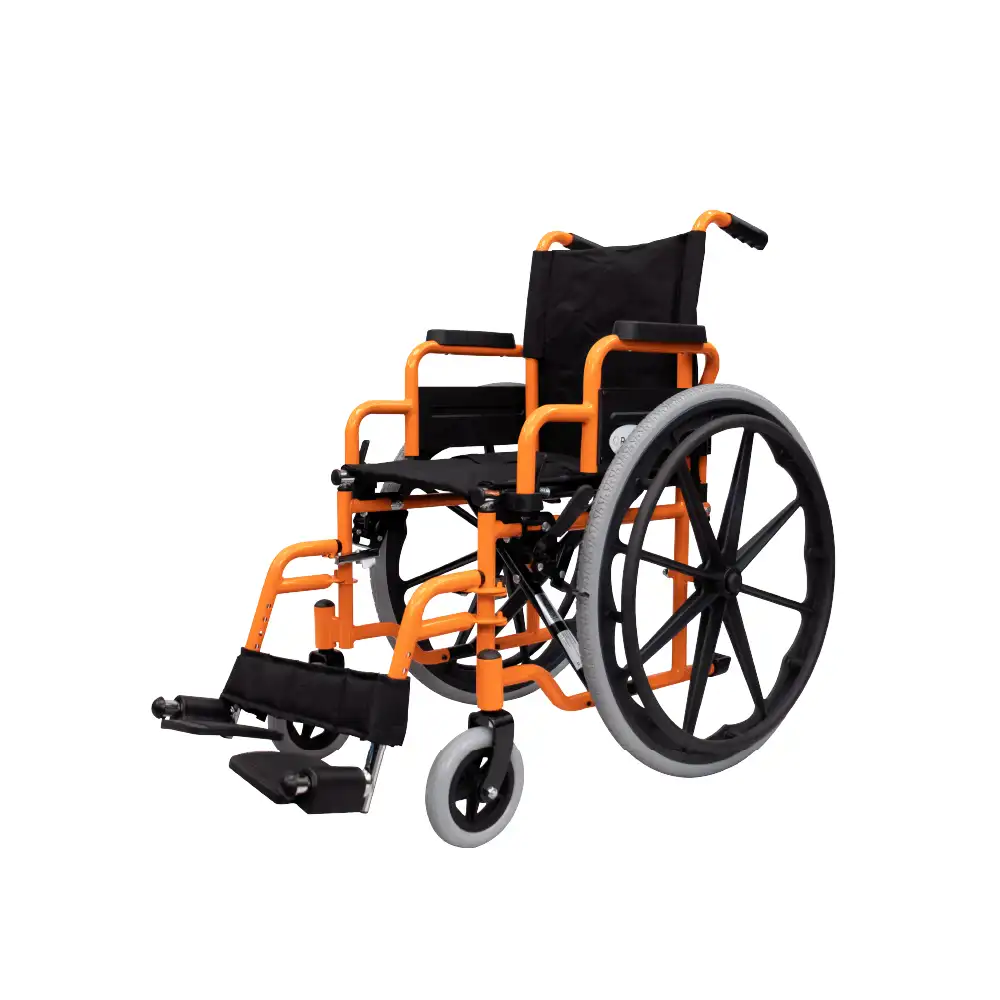
F. Pediatric Wheelchairs
Smaller, adjustable, and often colorful, pediatric models cater to children’s mobility and comfort needs.
Features:
- Lightweight frame
- Height-adjustable seating
- Safety harness for children
Best For: Young patients in hospitals or rehabilitation centers.
4. Comfort: The Core of a Good Hospital Wheelchair
Patient comfort should always come first — especially when wheelchairs are used for long durations. An uncomfortable chair can cause pressure sores, back pain, and poor posture.
Key Comfort Features to Look For:
- Padded Cushions: Prevents pressure sores and provides softness for long sitting hours.
- Ergonomic Backrest: Promotes natural spinal alignment.
- Adjustable Armrests & Footrests: Allows personalized support for different patients.
- Breathable Upholstery: Reduces heat and sweat buildup.
- Shock Absorbers: Smoothens rides over uneven hospital floors.
Pro Tip: Opt for memory foam or gel cushions if the wheelchair will be used for more than 4 hours daily.
5. Safety: Protecting Patients at Every Turn
Safety is non-negotiable in hospital environments. A good hospital wheelchair should minimize risks of falls, slips, or instability.
Essential Safety Features:
A hospital wheelchair should include anti-tip bars, a secure braking system, seat belts, a strong frame, non-slip footplates, and reflective markings to ensure maximum safety, stability, and visibility for patients during movement and transfers.
Always test brakes and locking mechanisms before purchasing or using the wheelchair.
6. Durability: Built to Last in Hospital Environments
Hospitals demand wheelchairs that can handle frequent cleaning, multiple users, and constant movement. Durability saves both money and maintenance time in the long run.
Materials That Ensure Durability:
- Aluminum: Lightweight, rust-resistant, and easy to maneuver.
- Stainless Steel: Strong and corrosion-resistant, ideal for long-term use.
- Carbon Steel: Extremely sturdy but heavier, good for bariatric models.
Signs of a Durable Wheelchair:
Durable hospital wheelchairs feature reinforced frames and joints, high-quality bearings and wheels, scratch-resistant coatings, and certified medical-grade materials (ISO/CE approved) to ensure long-lasting performance, reliability, and safety in demanding healthcare environments.
Tip: For hospital use, always choose rust-proof and easy-to-disinfect materials to maintain hygiene.
7. Choosing the Right Size & Dimensions
A poorly sized wheelchair can cause discomfort and even lead to posture issues. The right fit ensures comfort, safety, and mobility efficiency.
How to Measure Correctly:
- Seat Width: Should be 2–4 cm wider than the patient’s hips.
- Seat Depth: Should allow 3–4 cm gap between the seat and the back of the knees.
- Seat Height: Should allow feet to rest comfortably on footplates.
- Armrest Height: Should let the shoulders relax naturally.
Weight Capacity:
- Standard wheelchairs: up to 100 kg
- Bariatric models: up to 250 kg
8. Maintenance & Care Tips for Long-Lasting Performance
Regular maintenance extends the life and safety of a Hospital wheelchair. It’s essential for hospitals and caregivers to follow a routine cleaning and inspection process.
Maintenance Checklist:
- Clean wheels and frames weekly to prevent dirt buildup
- Lubricate bearings, joints, and axles every few months
- Inspect brake locks and seat belts regularly
- Check tire pressure in pneumatic models
- Replace damaged footrests or arm pads promptly
- Disinfect after each patient use to prevent infections
Hospitals should maintain a dedicated wheelchair servicing schedule to ensure all units remain in perfect working condition. For a comprehensive selection of high-quality manual and electric wheelchairs, as well as rehabilitation aids, explore the offerings at Wheelchairs & Rehabilitation Aids.
9. Budget Considerations: Balancing Cost with Quality
While budget is always a factor, it’s important not to compromise on quality. A cheaper wheelchair might save money initially but could wear out faster or pose safety risks.
What Affects Price:
- Frame material (aluminum vs. steel)
- Manual vs. Electric operation
- Cushion type and comfort level
- Safety and customization features
- Brand reputation and warranty
Pro Tip: Always prioritize ergonomics and safety over aesthetics. A durable, well-built wheelchair offers better long-term value than a cheaper model that requires frequent repairs.
10. Key Factors to Consider Before Buying a Hospital Wheelchair
Here’s a quick summary of what you should evaluate before purchase:
| Factor | Why It Matters |
| Comfort | Essential for patient well-being and long use |
| Safety Features | Prevents accidents and injuries |
| Durability | Reduces maintenance costs |
| Material | Affects weight, hygiene, and longevity |
| Size & Weight Capacity | Ensures the right fit for patient needs |
| Ease of Cleaning | Maintains hygiene in hospital settings |
| Mobility Type | Manual, electric, or transport-based |
| Warranty & Service | Adds long-term reliability |
11. Why Hospitals Trust Aoma Alliance Wheelchairs
At Aoma Alliance, we design and supply high quality hospital wheelchairs engineered for comfort, safety, and durability. Our models are crafted using premium-grade materials with user-friendly designs, ensuring ease for both patients and caregivers.
Our Wheelchair Range Includes:
- Manual and transport wheelchairs
- Reclining and electric wheelchairs
- Bariatric and pediatric models
- Folding wheelchairs for compact spaces
Each product undergoes strict quality checks and medical-grade certifications to meet healthcare standards. Whether you need wheelchairs for hospital wards, operation theatres, or home care setups, Aoma Alliance delivers trusted mobility solutions.
We also offer a complete range of hospital furniture, including beds, trolleys, operating tables, and lighting solutions, built with the same commitment to quality, safety, and reliability.
Conclusion
A hospital wheelchair is not just an equipment purchase it’s an investment in patient care, safety, and well-being. Choosing the right wheelchair means balancing comfort, safety, and durability, ensuring both patients and caregivers experience ease and reliability.
When selecting one, focus on ergonomic design, strong materials, and reliable features. This Hospital Wheelchair Buying Guide helps you make informed choices, and with trusted manufacturers like Aoma Alliance, you can be confident you’re investing in medical equipment that upholds the highest standards of quality, comfort, and performance.
FAQs: Hospital Wheelchair Buying Guide
Q1. What is the difference between a hospital wheelchair and a regular wheelchair?
Hospital wheelchairs are built with medical-grade materials, enhanced safety features, and durability to withstand frequent use unlike standard wheelchairs meant for light or personal use.
Q2. Which wheelchair is best for long-term use?
Reclining or electric wheelchairs with ergonomic cushions and adjustable support are best for long-term comfort and posture health.
Q3. How long does a hospital wheelchair last?
A high-quality hospital wheelchair can last 5–8 years or more with proper maintenance.
Q4. Are electric wheelchairs suitable for hospital use?
Yes. Electric wheelchairs are ideal for patients needing independence or continuous mobility without caregiver assistance.
Q5. Can I use a hospital wheelchair at home?
Absolutely. Many hospital wheelchairs are designed for dual use — they can easily transition into home environments due to their foldable and comfortable designs.