
In every hospital, beds play a very important role in patient care. A patient may not always notice it, but the type of bed they are placed on directly affects their comfort, recovery speed, and safety. Two common types of beds used in hospitals are Icu bed vs Hospital bed. At first look, both may seem similar, but they are actually very different in design, function, features, and purpose. Understanding this difference is important for hospital managers, nurses, and even patients who want to know how healthcare support works.
In this blog, we will clearly explain the difference between ICU beds vs hospital beds, what makes them different, where each one is used, and why choosing the right bed is important for patient recovery and safety.
What is a Regular Hospital Bed?
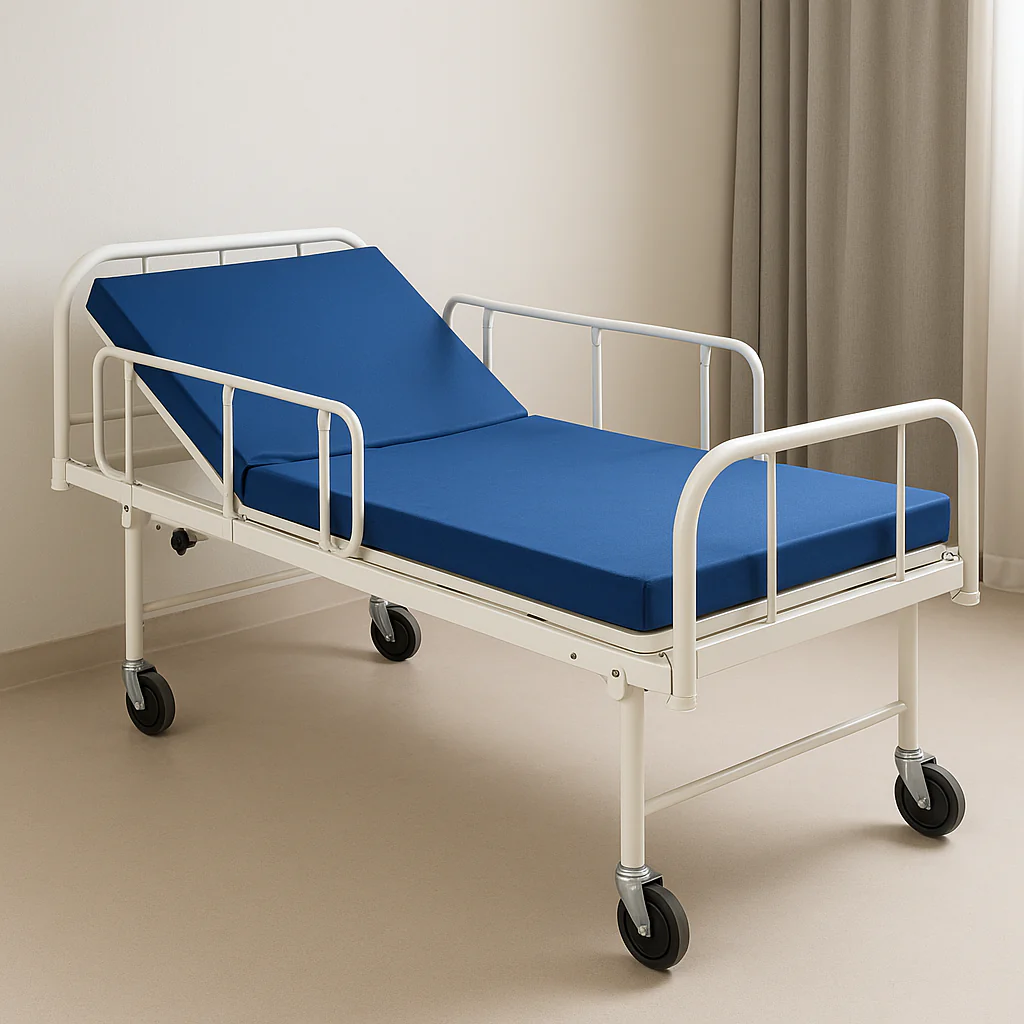
A regular Hospital Bed is used for patients who are stable and recovering. These patients may be admitted due to illness, surgery, childbirth, observation, infection, or general medical care. The goal of a regular hospital bed is to provide the patient with comfort while making it easy for nurses and doctors to assist them. These beds allow the patient to adjust their posture slightly, such as raising the head to sit up or lowering it to lie flat.
If you’re looking to Hospital bed, explore our range of durable and comfortable hospital beds designed for patient safety and easy care.
What is an ICU Bed?
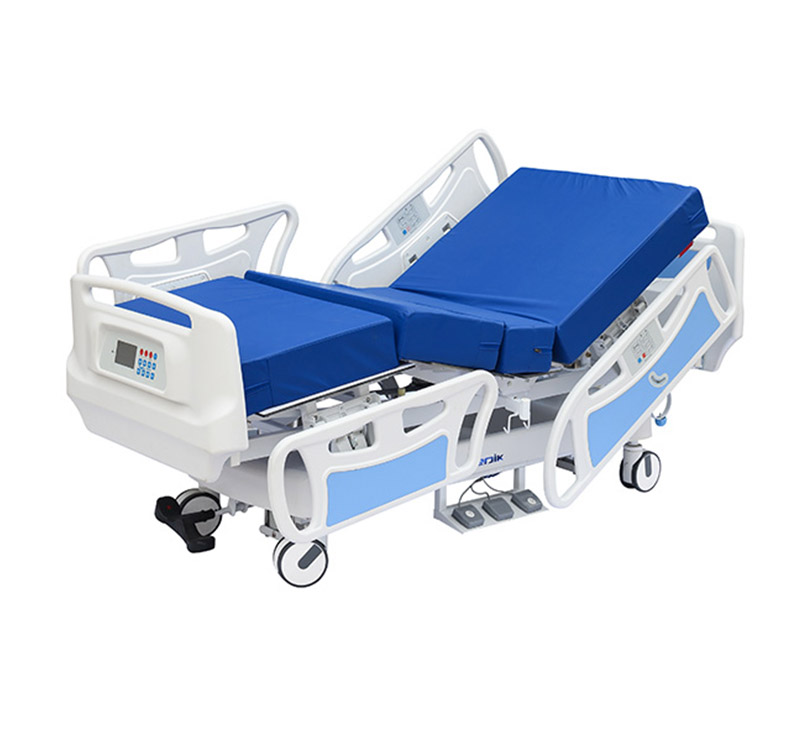
An ICU bed (Intensive Care Unit Bed) is designed for patients who are critically ill or in unstable condition. These patients require continuous monitoring, life-support machines, and frequent intervention from doctors and nurses. ICU beds are specially designed to support emergency care, advanced treatment, and patient stability.
ICU beds can move in several different positions. They can be raised, lowered, tilted, adjusted at multiple angles, and sometimes even automatically repositioned to help prevent bed sores. They are compatible with ventilators, monitors, oxygen supply, and other critical care machines.
ICU Bed vs Hospital Bed: Key Differences
| Factor | ICU Bed | Regular Hospital Bed |
| Patient Type | Critical / unstable patients | Stable / recovering patients |
| Adjustability | Highly adjustable (electric + advanced positions) | Basic adjustments only |
| Monitoring Support | Integrated with monitor & equipment mounts | Minimal or no equipment integration |
| Safety Features | Fall prevention, CPR function, side tilt, alarms | Basic safety rails |
| Mobility | High maneuverability with advanced wheels | Standard mobility |
| Comfort Level | Specialized pressure-relief mattresses | General mattress only |
| Price | Higher due to advanced mechanisms | Lower / affordable |
In simple words:
ICU beds are life-support compatible and designed for continuous critical care, while regular hospital beds are basic patient support beds.
Difference in Safety
Safety features also mark a clear difference between the two. A regular hospital bed has basic safety rails and wheels with locks, mainly to prevent the patient from slipping or falling accidentally.
An ICU bed, on the other hand, is built with emergency situations in mind. It often includes a CPR release function, which flattens the bed instantly when doctors need to perform emergency resuscitation. The bed is usually more stable and stronger because sudden medical procedures may be required. Safety rails are stronger and sometimes higher. The design ensures that even if the patient is unconscious or unable to move, the bed protects them.
Difference in Mattress and Patient Comfort
Patients in ICU beds often cannot move by themselves. When someone stays in the same position for a long time, the skin and muscles suffer pressure, which can cause painful bed sores. To avoid this, ICU beds use special pressure-relief mattresses that distribute weight evenly and protect the patient’s skin. Regular hospital beds usually have normal medical-grade foam mattresses that are comfortable but not designed for long-term immobility.
This difference may seem small, but it plays a big role in recovery. Patients in the ICU are already weak, so the bed must do the work of keeping their body safe.
Difference in Support for Medical Equipment
A regular hospital bed does not need to support many medical devices. The patient may use an IV drip, but beyond that, not much else is attached to the bed.
However, ICU beds are designed as part of a complete critical care system. They come with areas to attach oxygen cylinders, monitoring equipment, feeding pumps, ventilators, and infusion stands. The bed has strong frames and connecting points so machines can be kept near the patient without getting in the way. This makes treatment faster and smoother because everything the medical staff needs is right there.
Difference in Cost
ICU beds cost more because they contain advanced technology, high-quality motors, complex structures, and specialized mattresses. They are built for round-the-clock use and emergency situations. Regular hospital beds are simpler, so they cost less and are easier to maintain. Hospitals normally buy ICU beds in smaller numbers and regular beds in larger numbers.
Which Bed Should Be Used Where?
In general wards where patients are stable and recovering, regular hospital beds are more suitable. They provide comfort and meet the needs of patients who require routine care. In contrast, ICU beds belong in emergency units, trauma units, surgical recovery units, and intensive care units where every minute is critical and every second of delayed response can affect the patient’s life.
Conclusion
While ICU bed vs Hospital bed may look similar, they are designed for completely different levels of care. A regular hospital bed supports comfort and general medical recovery. An ICU bed supports life-saving treatment, constant monitoring, and critical patient stability. Choosing the right type of bed is not just a matter of purchase it is a matter of patient safety, quality of care, and how well a hospital supports healing. Understanding ICU bed vs hospital bed helps hospitals make better decisions and ensures that every patient receives the level of care they truly need.
Frequently Asked Questions:-
Q1. How is an ICU bed different from a regular hospital bed?
ICU beds come with advanced features like electric controls, adjustable height, head and leg sections, oxygen cylinder holders, and emergency CPR functions all designed to support critical care. Regular hospital beds are simpler and used for general patient wards.
Q2. How can I choose the right hospital bed for my facility?
Consider the type of patients you serve (ICU, general ward, maternity, etc.), available space, and required functionality such as electric adjustment, side rails, and mobility.
Q3. How should hospital furniture be maintained for long-term use?
Regular cleaning, proper disinfection, and periodic checks for loose parts or hydraulic performance can greatly extend product life and safety.
Q4. What is the difference between a manual and an electric hospital bed?
Manual hospital beds require hand cranks for adjustments, while electric beds are powered by motors and controlled using remotes for easier height and position changes.
Q5. What is the standard size of a hospital bed?
A standard hospital bed is about 36 inches wide and 80 inches long, though ICU and bariatric beds are often wider to support larger patients.