Modern labor delivery beds have transformed the birthing experience by combining advanced comfort features with critical safety mechanisms that protect both mothers and babies during one of life’s most important moments.
This guide is designed for expectant parents, birth partners, and healthcare professionals who want to understand how today’s delivery bed safety features and childbirth comfort equipment create a better environment for labor and delivery.
At Aoma Alliance, we will explore how enhanced positioning options and ergonomic design reduce discomfort during extended labor, examine the built-in safety systems that help medical teams respond quickly to complications, and discuss how improved medical access features allow healthcare providers to deliver optimal care while supporting your personal birthing preferences.
Enhanced Comfort Features of Modern Labour Delivery Beds
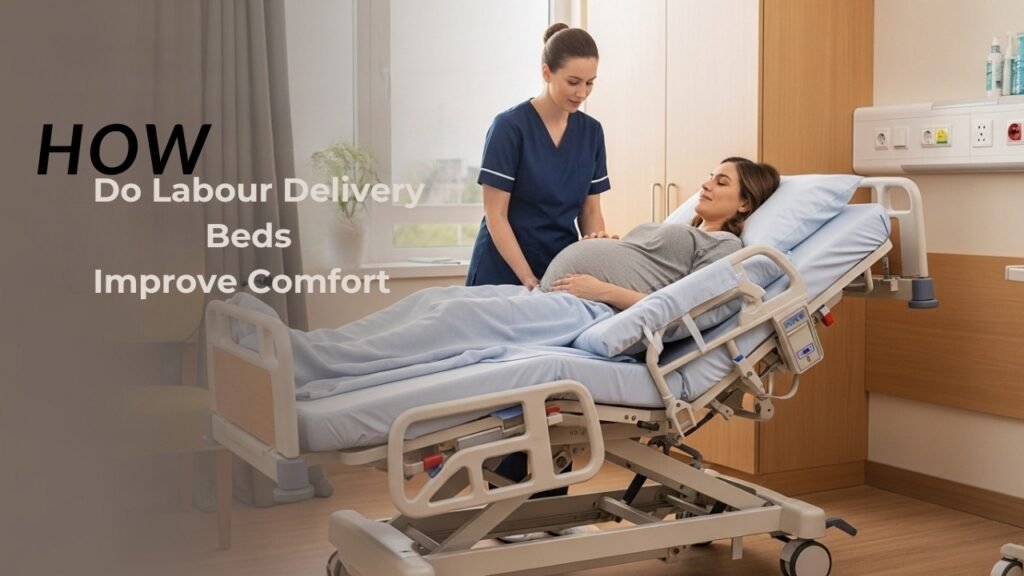
Modern labour delivery beds are designed to provide maximum comfort during childbirth. Adjustable positions allow mothers to change posture easily during labour, helping reduce pain and body strain. Ergonomic padding supports the body properly, making long labour periods more comfortable and less tiring for the mother.
Adjustable Positioning for Optimal Pain Relief
Modern labor delivery beds feature sophisticated positioning systems that allow mothers to find the most comfortable angles throughout their birthing experience. These beds can be adjusted to support semi-sitting, side-lying, or squatting positions, giving women the freedom to move naturally with their contractions. The hydraulic and electric adjustment mechanisms enable smooth transitions between positions without requiring the mother to move off the bed.
The ability to elevate the head and foot sections independently helps reduce back pressure and allows gravity to assist during labor. Many mothers find that slightly upright positions help manage pain better than lying flat, as this positioning can reduce the intensity of back labor and improve blood flow to the placenta. The beds’ memory foam padding adapts to different body shapes and sizes, providing consistent support regardless of position changes.
Ergonomic Design Reduces Pressure Points
Childbirth comfort equipment now incorporates advanced ergonomic principles that distribute body weight evenly across the bed surface. High-density foam layers with varying firmness levels support different body areas appropriately – softer foam cradles the hips and shoulders while firmer sections support the spine and lower back.
The contoured design of modern delivery beds follows the natural curves of a pregnant woman’s body, reducing stress on joints and muscles during extended labor periods. Gel-infused padding helps regulate body temperature and prevents heat buildup, which can become uncomfortable during intense contractions. Strategic cutouts and recesses accommodate the growing belly while providing support for the lower back, creating a more natural resting position.
Built-in Support Systems for Multiple Birthing Positions
Today’s labor delivery beds come equipped with integrated support accessories that adapt to various birthing preferences. Adjustable stirrups, leg supports, and handholds can be positioned quickly to accommodate different delivery positions without requiring separate equipment or bed transfers.
The beds feature removable and adjustable foot sections that can be completely lowered or angled to support squatting, kneeling, or standing positions. Built-in birth bars provide stable gripping points for mothers who prefer upright birthing positions, while removable back sections allow for hands-and-knee positioning when needed. These versatile support systems mean that mothers can change positions spontaneously without disrupting the birthing process or requiring complex equipment adjustments.
Advanced Safety Mechanisms for Mother and Baby Protection
Today’s labour delivery beds include built-in safety features that help protect both the mother and baby. Quick position adjustments, secure side rails, and emergency access options allow medical teams to respond fast during critical situations. These safety mechanisms help reduce risks and ensure a safer delivery process.
Emergency Positioning Capabilities for Medical Interventions
Modern labor delivery beds are designed to change positions within seconds during critical moments. Features like Trendelenburg and reverse Trendelenburg positioning help manage blood pressure issues and reduce aspiration risks during emergencies.
Electric height adjustment allows doctors to quickly move from normal delivery to surgical height for emergency procedures. Break-away foot sections and drop-down side rails give medical teams instant access without disturbing the mother, which is essential during assisted or complicated deliveries.
Integrated Monitoring System Compatibility
Contemporary delivery bed safety features include built-in ports and mounting systems for essential monitoring equipment. Integrated cable management prevents tangling during position changes, ensuring continuous fetal heart rate monitoring and maternal vital sign tracking. These labour delivery beds accommodate wireless monitoring systems that maintain signal integrity regardless of bed position or patient movement.
Anti-Slip Surfaces and Secure Restraint Systems
Delivery bed safety features prioritize preventing patient falls and ensuring stability during various birthing positions. Non-slip mattress surfaces use medical-grade materials that maintain grip even when wet from amniotic fluid or perspiration. Raised bed edges create natural barriers while remaining low enough for easy transfers.
Improved Medical Access and Healthcare Provider Efficiency
Modern delivery beds are designed to support doctors, nurses, and midwives during childbirth. Adjustable height and flexible bed sections provide better visibility and easy access to the patient. This helps healthcare providers work comfortably and deliver timely, efficient care without unnecessary physical strain.
Easy conversion between delivery and examination positions
Modern labour delivery beds feature sophisticated articulation systems that transform between multiple configurations within seconds. The bed’s segments adjust independently, allowing seamless transitions from standard examination positions to lithotomy, semi-sitting, or squatting positions without requiring the mother to move between different equipment. These quick position changes prove invaluable during active labor when speed matters most.
Enhanced visibility and reach for medical professionals
Strategic bed design creates optimal working conditions for obstetricians, midwives, and nurses throughout the birthing process. The adjustable height range accommodates healthcare providers of different statures, reducing strain and allowing them to maintain proper posture during procedures. When positioned correctly, delivery bed medical access becomes significantly improved, enabling clear visualization of the delivery area without awkward positioning.
Integrated storage solutions for immediate access to supplies
Smart storage compartments built directly into labour delivery beds keep essential supplies within arm’s reach of medical staff. These strategically placed drawers and compartments house sterile instruments, medications, monitoring equipment, and emergency supplies without cluttering the immediate delivery space. Pull-out trays and adjustable shelving systems organize materials by procedure type or urgency level.
Support for Natural Birthing Preferences and Mobility
Labour delivery beds now support natural birthing positions such as upright, side-lying, or squatting. Mothers can move more freely and choose positions that feel most comfortable for them. This flexibility encourages a more natural and confident birthing experience.
Multiple upright and squatting position options
Modern labour delivery beds revolutionize the birthing experience by offering women the freedom to choose positions that feel most natural and comfortable during labor. Unlike traditional fixed beds, these advanced systems feature articulating sections that transform into various configurations, supporting the woman’s instinctive movements throughout the birthing process.
Partner accommodation features for emotional support
Today’s childbirth comfort equipment recognizes that partners play a crucial role in the birthing process, incorporating design elements that keep loved ones close and actively involved. These beds feature extended platforms and pull-out sections that create space for partners to provide physical and emotional support without crowding the medical team.
Emergency Preparedness and Critical Care Capabilities
These advanced delivery beds are built to handle emergency situations effectively. They can quickly change positions to support urgent medical procedures without moving the patient. This rapid response capability helps medical teams manage complications and provide critical care when it matters most.
Rapid transformation for cesarean delivery preparation
Modern labour delivery beds can transform from a comfortable birthing position to a fully operational surgical surface in under 60 seconds. This lightning-fast conversion capability proves critical when medical teams need to switch from vaginal delivery to emergency cesarean section. The bed’s hydraulic systems automatically adjust height, tilt angles, and support positioning to match operating room standards without transferring the patient.
Life-saving positioning for complications
When complications arise during delivery, precise patient positioning can mean the difference between life and death. Advanced delivery beds offer multiple emergency positioning options, including Trendelenburg positioning for severe hypotension, left lateral tilt for supine hypotensive syndrome, and rapid elevation for respiratory distress.
Compatibility with emergency medical equipment
Emergency situations demand seamless integration between the delivery bed and life-saving medical equipment. Modern childbirth comfort equipment includes built-in power outlets, medical gas connections, and equipment mounting points strategically positioned for immediate access. These beds accommodate ventilators, cardiac monitors, ultrasound machines, and anesthesia equipment without compromising patient care or provider mobility.
Quick patient stabilization features
Patient stabilization begins with the bed’s advanced shock absorption systems and micro-vibration dampening technology. These features maintain patient stability during rapid movements, equipment positioning, and emergency procedures. The bed’s weight distribution system automatically adjusts to prevent pressure points and maintain circulation, even during extended emergency interventions.