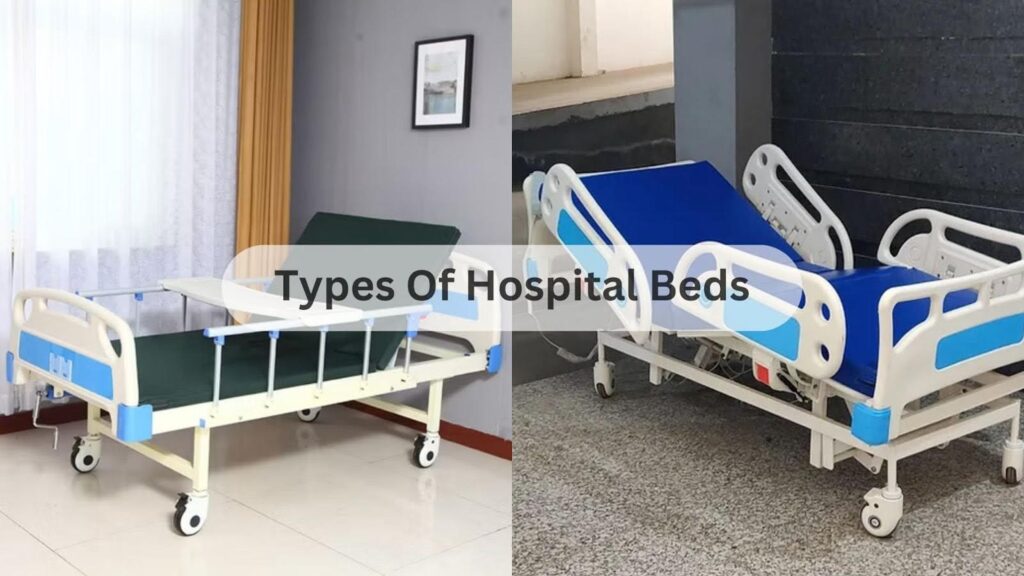
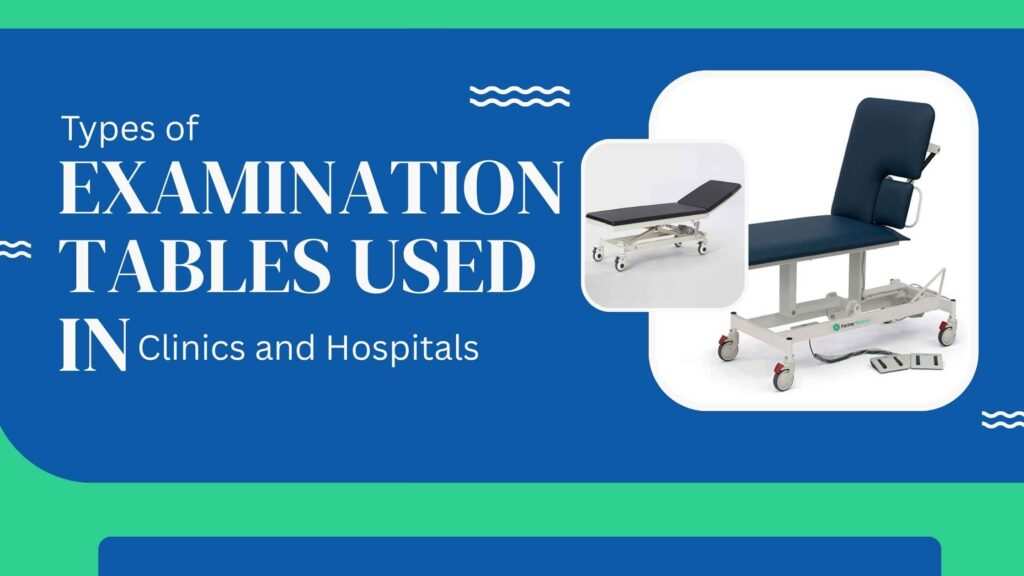
Examination tables are one of the most essential pieces of furniture in every medical setup. Whether it is a small clinic or a large hospital, doctors need a safe and comfortable place to examine patients. A good medical examination table helps in proper positioning, supports smooth check-ups, and improves patient comfort. Today, healthcare centers use different types of examination tables because each medical specialty has its own requirements. In this blog, we will explain the most common examination tables used in clinics and hospitals, along with their features, benefits, and uses.
Why Examination Tables Matter in Healthcare
Every hospital or clinic needs a strong and reliable examination table. These tables help doctors examine patients safely and accurately. A high-quality hospital examination table ensures proper hygiene, reduces patient stress, and improves the overall treatment experience. The right table also supports the doctor’s work by offering adjustable positions, stable body support, and enough space to perform quick procedures. This is why choosing the right table from different types of medical tables is very important in healthcare.
Main Types of Examination Tables Used in Clinics and Hospitals
Below are the most commonly used types of examination tables found in modern clinics and hospitals. Each type has a different purpose and plays an important role in patient care.
- Standard Examination Table
A standard examination table is the most common clinic examination table used for general check-ups. These tables come with a padded top, an adjustable backrest, and a durable frame. Doctors use them for routine physical exams, temperature checks, dressing wounds, and basic treatments. These tables are simple, comfortable, and easy to clean. Most clinics and small healthcare centers prefer them because they meet all basic medical needs and are affordable.
- Gynecology Examination Table
A gynecology examination table is specially designed for women’s health check-ups. It includes adjustable leg supports, cushioned seating, and a movable backrest. Gynecologists use these tables for pelvic exams, prenatal care, and maternity check-ups. These examination tables used in hospitals are built to ensure safety and comfort during sensitive procedures. They also help doctors maintain the correct position for accurate diagnosis.
- Pediatric Examination Table
Pediatric examination tables are designed for children. They often come with soft cushioning, child-friendly height, and colorful designs to make kids feel comfortable. This type of medical examination table is used in pediatric clinics for routine check-ups, vaccinations, and child examinations. The soft padding keeps the child safe, while the compact size helps doctors work with ease.
- Physiotherapy / Treatment Table
Physiotherapy tables are strong, long, and divided into adjustable sections. These tables help physiotherapists position patients properly during therapy sessions. They are commonly used in rehabilitation centers, orthopedics, and sports clinics. These types of medical tables allow doctors to adjust the table height and angle according to the treatment. They are ideal for muscle therapy, joint movement exercises, and recovery sessions.
- Hydraulic or Electric Examination Table
Hydraulic and electric tables are advanced examination tables used in hospitals. These tables offer smooth height adjustment using a pedal or an electric remote. Doctors prefer these tables in surgery rooms, emergency departments, and multi-specialty hospitals because they provide comfort during long procedures. An electric medical examination table allows doctors to adjust the table without disturbing the patient, making it perfect for critical treatments.
- Folding or Portable Examination Table
Portable examination tables are foldable, lightweight, and easy to carry. These tables are commonly used in home visits, medical camps, emergency vans, and small clinics. A portable clinic examination table is simple to set up and provides basic comfort for quick check-ups. These tables are ideal when mobility and space-saving are important.
How to Choose the Right Examination Table
Selecting the right examination table depends on your medical specialty and the type of patients you treat. Here are simple factors to consider:
- Choose the table type based on your practice (general, gynecology, pediatric, physiotherapy).
- Check the weight capacity and build quality for long-term use.
- Look for adjustable backrests for flexible patient positioning.
- Select materials that are easy to clean and maintain.
- Make sure the cushioning is comfortable for patients.
- For hospitals, electric or hydraulic tables are more suitable.
A well-selected table supports better treatment and creates a professional environment.
Buying Tips for Clinics and Hospitals
When buying examination tables used in hospitals, always choose a reliable and experienced manufacturer. Look for a warranty, after-sales support, and durable materials. Avoid low-quality tables because they wear out quickly and can cause discomfort. Investing in a high-quality hospital examination table improves patient experience and helps medical staff work comfortably.
Conclusion
Examination tables play a major role in patient care and day-to-day medical activities. With so many types of examination tables available today, choosing the right one ensures comfort, safety, and better treatment. Clinics usually prefer standard and portable tables, while hospitals choose hydraulic or electric tables for advanced care. No matter what your medical specialty is, investing in a strong and reliable medical examination table is always the best decision. A good table improves doctors’ efficiency, reduces patient discomfort, and supports quality healthcare.
FAQs related to Examination Tables Used in Clinics
1. What is an examination table used for?
An examination table is used for patient check-ups. Doctors use it to examine the body safely and comfortably.
2. How many types of examination tables are there?
There are many types, but the most common ones are standard tables, gynecology tables, pediatric tables, physiotherapy tables, hydraulic tables, and portable tables.
3. Which examination table is best for clinics?
A standard examination table or a portable table is best for small clinics, because they are simple and easy to use.
4. Which examination table do hospitals use?
Hospitals mostly use hydraulic or electric examination tables because they adjust easily and support advanced treatments.
5. What is the price of an examination table?
Prices depend on the type. Basic tables cost less, while electric or hydraulic tables cost more because of extra features.