
Healthcare is evolving faster than ever, driven by technological advancements, patient-centric approaches, and a rising demand for high-quality medical services. However, one often overlooked but essential element in delivering top-tier care is hospital furniture. From ICU units to outpatient departments, every space within a healthcare facility relies on functional, ergonomic, and hygienic furniture to operate effectively.
In this blog, we dive deep into the must have hospital furniture that no modern medical facility should be without. Whether you’re setting up a hospital from scratch, renovating an existing center, or upgrading certain departments, this comprehensive guide will help you make informed choices.
Essential Hospital Furniture & Equipment for Quality Patient Care
In a modern healthcare setting, furniture is more than just functional—it directly impacts patient outcomes, staff efficiency, and overall safety. From adjustable hospital beds to precision-designed OT tables, each piece plays a critical role in creating a comfortable and hygienic healing environment. Whether you’re setting up a new facility or upgrading existing infrastructure, understanding the essential components of hospital furniture can help you make informed, future-ready decisions.
1. Hospital Beds

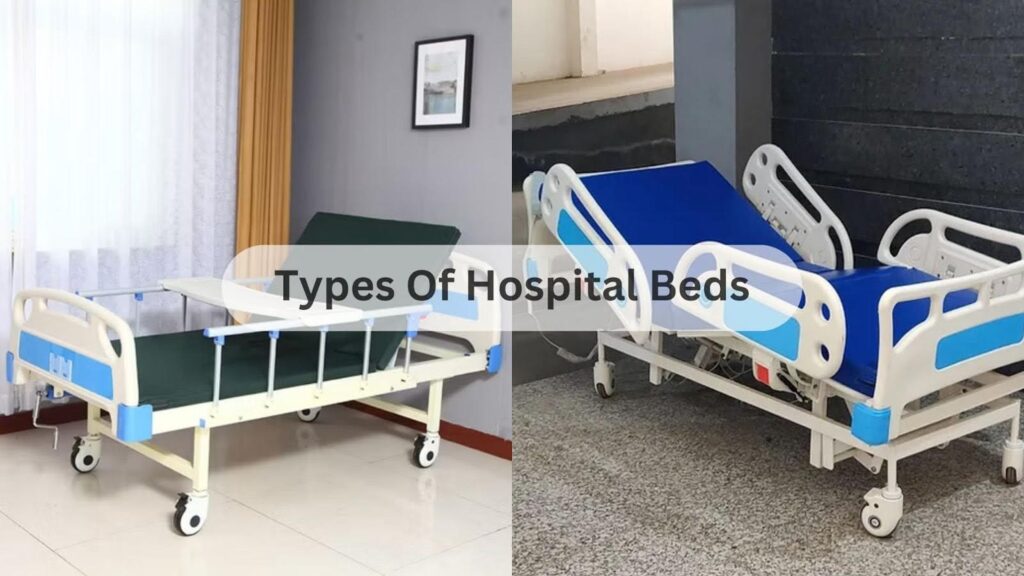
A hospital bed isn’t just a piece of furniture—it’s the cornerstone of any medical facility. Modern variants come equipped with electric adjustments, anti-bacterial surfaces, and safety side rails. Since patients often spend a significant amount of time in bed, comfort, accessibility, and adjustability are crucial. Common types include:
Types of Hospital Beds:
- Manual Beds: Operated using cranks, suitable for facilities with budget constraints.
- Semi-Fowler & Full Fowler Beds: Allows adjustment of head and leg sections for patient comfort.
- ICU Beds: Advanced features like electric control, cardiac chair position, weight monitoring, and side rails.
- Pediatric Beds: Child-friendly designs with safety rails and colorful appearances.
- Maternity Beds: Designed for labor, delivery, recovery, and postpartum needs.
Why Are They Essential?
- Enhance patient recovery with customizable positions.
- Facilitate easy access for medical staff.
- Integrated features like IV poles, side rails, and monitors increase safety and efficiency.
Also read: Why Choose an Adjustable Bed for Patients? — to explore how adjustable beds enhance patient comfort and recovery.
2. Sliding Top Electrical Operating Tables
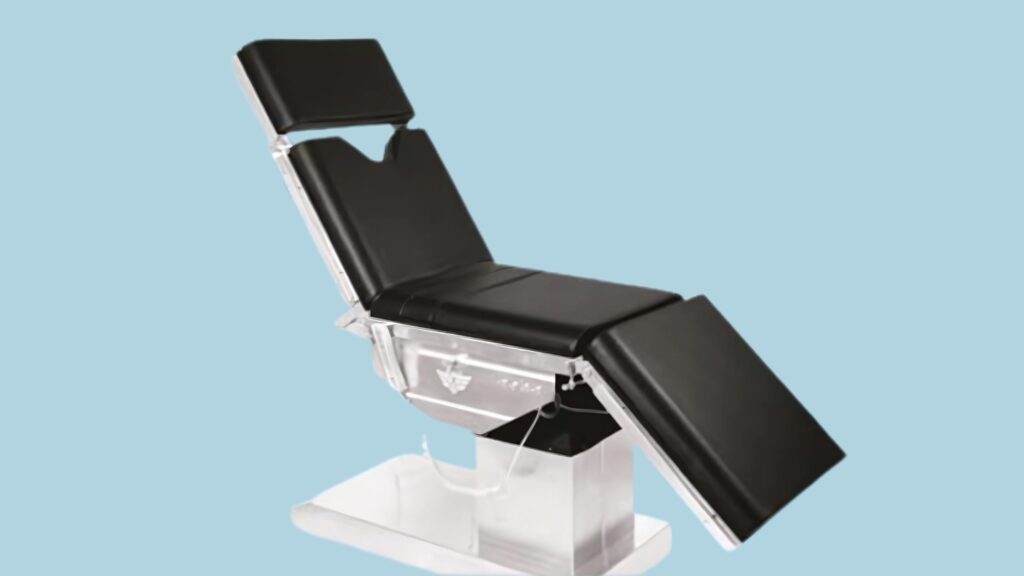
Sliding top electrical operating tables are a cornerstone of modern surgical environments. Engineered for precision and versatility, these tables offer seamless patient positioning and enhanced surgical access—key to optimizing outcomes across various procedures. Their motorized functions and sliding capabilities help minimize manual effort while maximizing procedural efficiency.
Features to Look For:
- Electric motor-driven height, tilt, and Trendelenburg adjustments
- Sliding tabletop to improve C-arm imaging access
- Remote control operation for easy intraoperative positioning
- Radiolucent surface for full-body imaging compatibility
- Durable, anti-corrosive stainless steel construction
Benefits:
- Improves surgical access without repositioning the patient
- Enhances imaging efficiency, particularly during minimally invasive procedures
- Reduces strain and workload for surgical staff
- Supports precise and flexible patient positioning across specialties
3. Examination Tables

Hospital Examination tables are used across outpatient departments, general wards, emergency rooms, and diagnostic areas, Patient examination tables should be sturdy, adjustable, and easy to sanitize. Some advanced models come with integrated drawers or motorized positioning features.
Types:
- Flat-top exam tables
- Gynae examination couches
- Adjustable headrest tables
Features:
- Cushioning with washable covers
- Step stools for patient access
- Drawers or compartments for tools and accessories
These tables are the frontline of diagnosis and should be designed for hygiene, comfort, and efficiency.
4. Bedside Lockers and Cabinets
For patient privacy and convenience, bedside lockers provide a secure space for storing personal belongings. Many modern designs also include integrated charging ports and modular compartments. These are typically placed adjacent to the hospital bed.
Standard Features:
- Lockable drawers for security
- Compartments for water bottles, medicines, and essentials
- Stainless steel or ABS plastic construction for hygiene
Importance:
- Keeps patient essentials organized and accessible
- Maintains a clutter-free and safe hospital environment
- Contributes to a more personalized care setting
5. Wheelchairs and Mobility Aids

Mobility aids like wheelchairs, patient transfer chairs, and walkers are crucial in all healthcare environments. Whether it’s a post-surgical patient or someone with mobility challenges, these aids restore independence and ease internal transportation. Modern wheelchairs should be lightweight, durable, and foldable for easy storage.
Key Wheelchair Types:
- Standard manual wheelchair
- Reclining and commode wheelchair
- Electric-powered wheelchair
What to Consider:
- Lightweight yet durable frames
- Foldable for storage
- Comfortable seating with seat belts
- Brake mechanisms and anti-tippers for safety
Investing in high-quality mobility aids ensures safety and convenience for both patients and staff.
6. Medical Trolleys
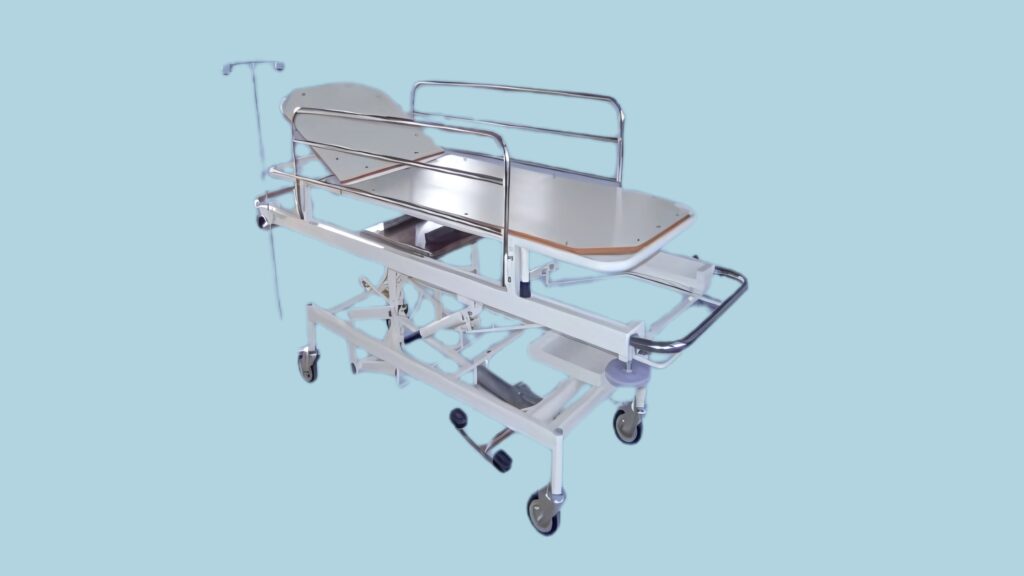
Medical trolleys are used to carry medicines, medical instruments, patient files, and more. These are essential in ICUs, operation theaters, and emergency rooms. Medical trolleys enhance workflow and reduce delays.
Common Types:
- Dressing trolley
- Instrument trolley
- Emergency crash cart
- Medicine distribution trolley
Ideal Features:
- Stainless steel construction for sterilization
- Multi-tier shelves
- Noise-free caster wheels with locking system
- Integrated bins for waste segregation
Properly designed trolleys help staff respond faster and more efficiently, which can be critical in life-saving scenarios.
Also read: Why Is Infection-Free Hospital Furniture Essential? — to understand the critical role hygiene plays in hospital furniture selection.
7. Patient Chairs and Recliners
Comfortable seating options are essential for patients, especially those undergoing long treatments such as dialysis or chemotherapy, as patients often sit for hours. Recliner chairs with ergonomic support and easy-to-clean upholstery are increasingly popular.
Must-Have Features:
- Multiple reclining positions
- Built-in IV pole and cup holders
- Easy-to-clean upholstery
- Foldable armrests for easy patient access
These chairs improve the quality of care and make treatment more tolerable for patients.
8. Infant Warmers

Infant warmers are essential in neonatal care, providing a stable and controlled environment to ensure newborns maintain optimal body temperature. AOMA Alliance’s infant warmers are designed with precision and safety in mind, incorporating advanced technology to support the delicate needs of infants in medical settings.
Features to Look For:
- Precise temperature control systems for consistent warmth
- Built-in safety features, including overheating protection and alarms
- Adjustable height and ergonomic design for ease of use by medical staff
- Constructed with high-quality, non-toxic materials for hygiene and durability
- Available in various sizes to accommodate different space requirements.
Benefits:
- Maintains a consistent thermal environment critical for newborn health
- Enhances safety with features designed to prevent overheating
- Facilitates medical procedures with user-friendly adjustments
- Ensures hygiene and longevity through durable construction
- Supports diverse clinical needs with customizable options
9. Operation Theatre (OT) Tables and Stools

From surgical tables to anesthesia trolleys, OT furniture must meet high standards of precision, hygiene, and adjustability. These pieces often come with specialized designs to support specific procedures and surgical environments.
Essential OT Furniture:
- OT tables (hydraulic or electric)
- Anesthesia trolley
- Instrument and Mayo tables
- Surgeon stools and step stools
OT Table Features:
- Radiolucent top for imaging compatibility
- Trendelenburg/reverse Trendelenburg position
- Anti-bacterial and non-corrosive surfaces
Surgical efficiency and patient safety rely heavily on the quality and design of OT furniture.
10. Operating Lights

Operating lights are crucial for providing clear, consistent illumination during surgical procedures. AOMA Alliance’s operating lights are designed to minimize shadows and reduce eye strain, ensuring optimal visibility for surgical teams. Their advanced technology supports precision and safety in the operating room.
Features to Look For:
- High-intensity LED bulbs for bright, energy-efficient lighting
- Adjustable brightness and focus to suit various surgical needs
- Shadow-reduction technology for unobstructed visibility
- Flexible arm design for easy positioning
- Durable construction for long-term reliability.
Benefits:
- Enhances surgical precision with consistent illumination
- Reduces surgeon fatigue by minimizing glare and shadows
- Improves patient safety through better visibility
- Offers cost savings with energy-efficient LED technology
- Provides versatility for various surgical procedures
11. Operating Tables

Operating tables are fundamental to surgical precision and patient safety. AOMA Alliance offers a diverse range of operating tables designed to meet the specific needs of various medical specialties. Our tables combine durability with advanced technology to enhance surgical efficiency and patient care.
Features to Look For:
- Hydraulic and motorized models for smooth and precise adjustments
- Height adjustability and tilting options to accommodate different surgical procedures
- Sturdy construction with anti-slip surfaces for patient safety
- Customizable designs to fit the unique requirements of your facility
- Compatibility with various surgical accessories and attachments
Benefits:
- Enhances surgical accuracy with reliable positioning mechanisms
- Improves patient safety through stable and secure designs
- Offers versatility to support a wide range of surgical procedures
- Reduces physical strain on medical staff with ergonomic features
- Provides cost-effective solutions without compromising on quality
Essential Equipment for Every ICU
The Intensive Care Unit (ICU) is the cornerstone of emergency and critical care in any hospital. To ensure optimal patient outcomes, it must be equipped with state-of-the-art medical devices and hospital furniture that support rapid intervention and continuous monitoring.
1. Ventilators:
A cornerstone of respiratory support, ventilators are indispensable in the ICU. They help patients breathe when they are unable to do so on their own, especially in cases of severe lung infections, trauma or during post-surgical recovery.
2. Infusion Pumps:
Precise and controlled, these pumps are used to deliver medications, fluids, and nutrients directly into a patient’s bloodstream. Their accuracy is critical for administering life-saving drugs or maintaining hydration levels.
3. Cardiac Monitors
Monitoring heart activity is vital in critical care settings. These devices help in detecting arrhythmias, myocardial infarctions, and other cardiac conditions, enabling timely and effective treatment.
4. Defibrillators:
In cardiac arrest or sudden arrhythmias, defibrillators are life-saving. These machines deliver controlled electric shocks to restore a normal heartbeat and are an essential component of any ICU emergency protocol.
5. Patient Monitors:
These monitors provide real-time data on a patient’s vital signs—such as heart rate, blood pressure, oxygen saturation, and more. Continuous monitoring allows medical professionals to detect complications immediately and take swift action.
6. ICU Beds:
Specialised ICU beds offer adjustable positions and advanced features like integrated weighing systems and CPR modes. These beds support patient comfort while making medical procedures easier for healthcare providers.
Also read: Exploring the Different Types of Hospital Beds: Features and Uses — to understand the various hospital bed options and their specific benefits for patient care.
Each piece of equipment in the ICU plays a vital role in critical care. Having a well-equipped ICU not only improves patient survival rates but also enhances the overall efficiency and responsiveness of the medical team.
The Importance of Quality and Compliance
When choosing healthcare furniture, it’s essential to look beyond aesthetics and pricing. High-quality hospital furniture contributes to:
- Better patient outcomes through enhanced comfort and care
- Improved hygiene with easy-to-clean, antimicrobial surfaces
- Greater efficiency for healthcare providers
- Long-term cost savings due to durability and fewer replacements
Partnering with certified manufacturers and suppliers ensures longevity, safety, and peace of mind.
Why AOMA Alliance is Your Trusted Partner in Hospital Furniture Solutions
Modern medical facilities must prioritize both function and comfort when selecting medical furniture. Investing in high-quality, durable, and ergonomically designed pieces ensures not only regulatory compliance but also enhances the overall healthcare experience for patients and staff alike. Whether you’re expanding your hospital, building a new clinic, or upgrading your current setup, investing in the right furniture makes all the difference.
At AOMA Alliance, we are committed to connecting healthcare providers with trusted hospital furniture manufacturers across India. Our platform ensures you have access to high-quality, compliant, and cost-effective solutions tailored to your needs. Looking to upgrade your facility? Contact us today to find the perfect medical furniture.
FAQs
1. What is the most used medical equipment in hospitals?
The most used medical equipment in hospitals is the stethoscope, as it’s essential for routine patient checkups and monitoring heart, lung, and bowel sounds.
2. Why is hospital furniture crucial in modern healthcare settings?
It ensures patient comfort, improves caregiver efficiency, and supports hygienic, organized medical environments.
3. What are the benefits of adjustable hospital beds?
They offer flexibility in positioning for patient care, recovery, and ease of medical procedures.
4. How do stretcher trolleys enhance hospital operations?
They allow for the swift and safe transportation of patients across various hospital departments.
5. How are ICU beds different from standard hospital beds?
ICU beds have advanced monitoring, positioning, and emergency response features for critical care.
6. How does waiting area seating impact the hospital experience?
It keeps visitors comfortable and organized, improving the overall patient and family experience.