Imagine lying in a hospital bed after surgery. One bed keeps you awake all night, causes back pain, and makes every movement uncomfortable. The other supports your body properly, helps you relax, and allows you to sleep peacefully. Same hospital. Same treatment. But completely different recovery experiences. Most people think recovery depends only on medicines, doctors, and medical procedures. But here’s the thing—your surroundings and Hospital Furniture Impact Patient Recovery. The comfort of a hospital bed, the support of a patient chair, and even the design of a hospital room can directly affect healing speed, stress levels, and total well-being.
Nowadays, healthcare specialists are noticing that hospital furniture improves patient outcomes in many ways. From improving sleep quality to reducing pain and anxiety, to providing full comfort, advanced healthcare furniture has become a main component of patients’ speedy recovery and effective treatment. And honestly, when patients feel comfortable, safe, and relaxed, their bodies respond better to treatment. Let’s explore how hospital furniture can impact recovery outcomes and patient satisfaction.
Why Hospital Furniture Matters More Than You Think
For many years, hospital furniture was considered a normal or simple thing. Beds, chairs, and cabinets were regularly selected based on durability and low cost. But hospitals are rapidly changing, and they are now focusing on the patient experience. Research has shown that the healthcare environment can also affect a patient’s recovery outcome by approximately 25–30%. This means that hospital furniture, lighting, room layout, and comfort level all play a major role in a patient’s recovery.
That’s why modern healthcare centres are now investing heavily in the best Healthcare Furniture Patient Recovery solutions, rather than cheap and temporary ones. The goal is no longer only treatment; it’s to make an environment that provides physical and emotional comfort to patients and helps in recovery.
7 Ways Hospital Furniture Impacts Patient Recovery
The things around a patient are completely connected to their recovery. It’s not just about making the room look nice; how hospital furniture interacts with the patient’s recovery and how fast their recovery proceeds.
- Pain Reduction Through Ergonomic Design
The biggest benefit of advanced hospital furniture recovery solutions is reduced pain. Properly designed beds and chairs support the patient’s body properly, reducing stress on joints and muscles. Adjustable Hospital Beds allow patients to change positions easily, preventing physical rigidity and reducing pressure sores. In many cases, patients may also require less pain medication because their bodies are more comfortable during recovery.
- Better Sleep Quality = Faster Healing
Sleep is one of the most important parts of recovery. However, many patients have problems with getting good furniture to get the required rest while in the hospital. Many people don’t know the connection between patient sleep quality and recovery during hospitalisation. Adjustable beds, pressure-relieving mattresses, and supportive pillows help patients sleep more comfortably, which supports immune function and tissue repair. And good sleep can help in a better and faster recovery.
- Fall Prevention and Safety
Hospital falls can delay recovery and create serious problems. That’s why furniture safety features matter so much. Bed rails, proper bed height adjustment, non-slip seating, and mobility-friendly furniture help reduce accidents. Hospital Furniture Affects Patient Healing in many ways simply by creating a safe environment for movement and rehabilitation.
- Psychological Impact and Stress Reduction
Hospitals can be stressful. But a comfortable environment can greatly reduce stress & anxiety. The concept of Hospital Environment Healing focuses on creating a calm, supportive space for patients. Soft seating, comfortable furniture, and modern-designed patient rooms improve mood and emotional comfort. And when stress levels are lower, the body also recovers more effectively.
- Improved Mobility and Independence
Mobility plays an important role in rehabilitation. Patients recover faster when they can move safely and independently. Better Patient Recovery Hospital Furniture, like a bed with quality features like easy height adjustment, side support, and mobility assistance. Advance chairs and supportive furniture also help patients sit, stand, and walk with greater confidence. Even small improvements in independence can boost recovery motivation.
- Infection Control and Hygiene
Cleanliness is critical in every healthcare setting. Modern hospital furniture is designed using antibacterial materials and easy-to-clean surfaces that reduce infection risks. Furniture with smooth surfaces and medical-grade coatings helps hospitals maintain better hygiene standards and reduce infections.
- Family Comfort Affects Patient Well-being
Patients recover more effectively when they receive emotional support. Comfortable seating for visitors encourages family members to stay longer and provides emotional support. A supportive environment reduces feelings of isolation and improves overall mental health. Sometimes, even something as simple as a comfortable visitor chair can have a positive impact on a patient’s recovery experience.
Specific Furniture That Makes the Biggest Difference
Not all hospital furniture affects recovery equally. Some furniture has a more direct impact than others on patient comfort, mobility, sleep quality, and overall patient recovery. From adjustable Hospital Beds that reduce body strain to ergonomic chairs that support seating, the right furniture can make patients’ recovery safer, easier, and much less stressful. Let’s take a look at the hospital furniture types that have the greatest impact on patient care and their recovery experience.
- Adjustable Hospital Beds
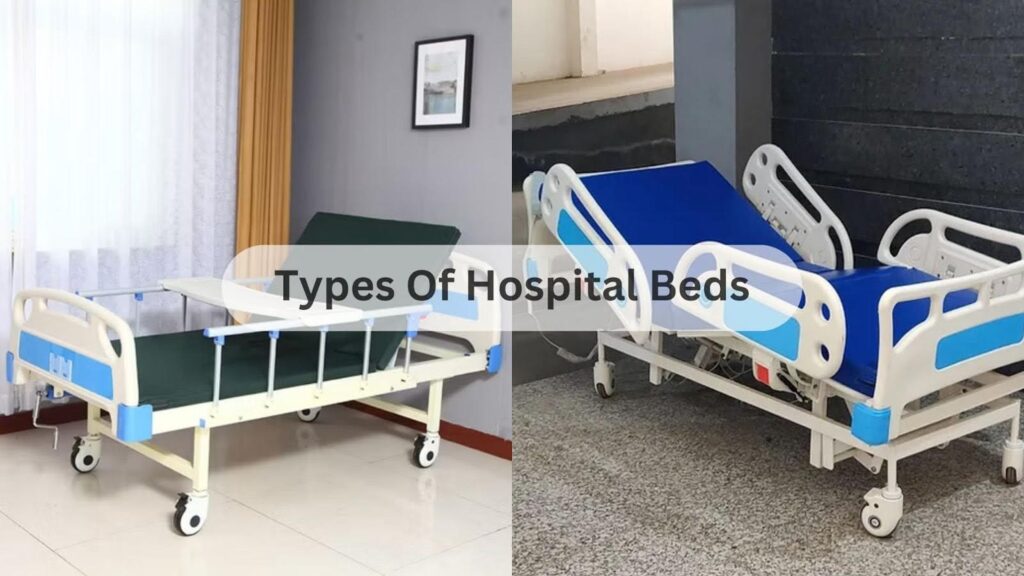
When people talk about how hospital beds impact patient recovery, adjustable beds are always at the centre of the conversation. These beds allow patients to easily change positions, improving circulation, breathing, and comfort. They also reduce the risk of problems like bed sores and muscle rigidity. Modern adjustable hospital bed recovery solutions are designed to support both comfort and medical efficiency, helping patients recover more easily.
- Ergonomic Medical Chairs
Patients often spend hours sitting during treatment or recovery. Improper sitting posture can quickly lead to discomfort. Ergonomic medical chairs have proper back support, relieve pressure, and provide smooth mobility. Features like recline adjustment and arm support enhance comfort for long-term patients and the elderly. And honestly, patients like these little comforts.
- Patient Room Furniture Sets
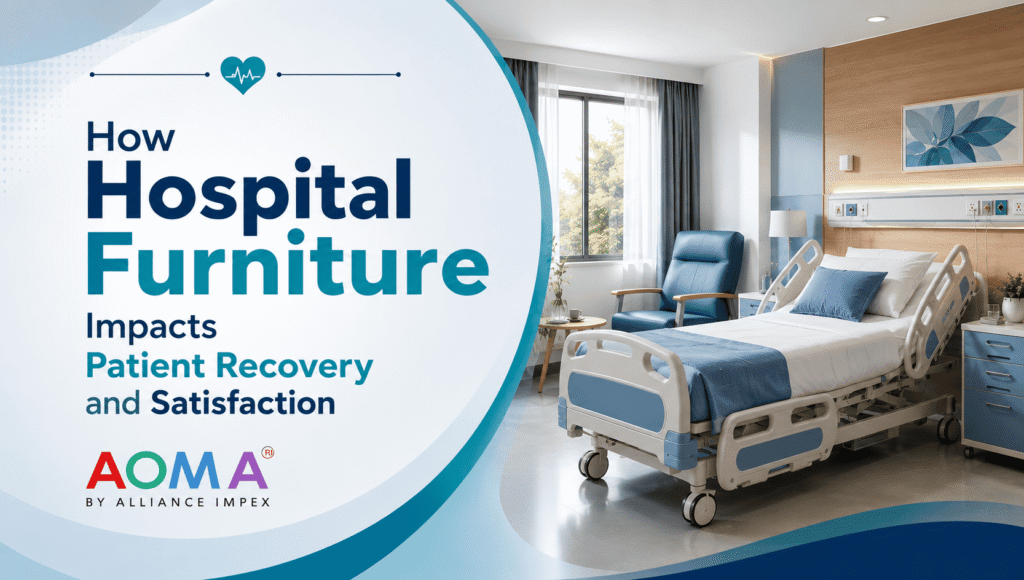
Coordinated patient room furniture creates a more calming environment. Storage accessibility, organised layouts, and family seating areas reduce stress and increase facility. Ergonomic design is becoming increasingly important in hospital recovery settings because patients feel more emotionally secure in comfortable, organised spaces. A welcoming room can positively impact both a patient’s mood and recovery confidence.
The ROI: Why Hospitals Invest in Better Furniture
Better furniture isn’t just about comfort; it’s also a smart long-term investment. Studies show that improved patient comfort can be achieved through Shorter Hospital Stay Furniture, help in faster recovery and fewer complications. Shorter stays allow hospitals to more effectively manage patient volume.
Modern furniture also improves staff productivity. Adjustable beds, mobility-friendly chairs, and user-friendly room layouts reduce physical stress on hospital staff and improve workflow efficiency. At the same time, hospitals using advanced furniture solutions often see:
- Better patient reviews
- Lower readmission rates
- Improved safety outcomes
- Stronger competitive positioning
This is why many healthcare centres now consider furniture upgrade as part of their strategy to improve patient recovery, rather than just an operational expense.
What This Means for Modern Patient Care and Recovery
If you’re a patient, don’t ignore your recovery environment. Ask about adjustable features, appropriate support, and comfort options. Small changes can make a big difference in recovery. If you’re a family member, fight for a better environment for the patient and share feedback with healthcare providers.
For hospitals and healthcare professionals, Patient Comfort Hospital Furniture should be considered part of the treatment process, not just room decor. Because in modern healthcare, the patient experience matters more than ever.
FAQs: Hospital Furniture Impacts Patient Recovery
Q1 How does hospital furniture impact patient recovery?
Comfortable and ergonomic hospital furniture helps to improve sleep, reduce pain, support mobility, and also helps patients recover more comfortably and safely.
Q2 What type of hospital furniture is best for patient comfort?
Adjustable hospital beds, comfortable chairs, and mobility-support furniture are considered best for patient comfort and recovery.
Q3 What features should good hospital furniture have?
Good hospital furniture should provide comfortable support, ease of movement, safety features, hygiene-friendly surfaces, and long-term patient comfort.