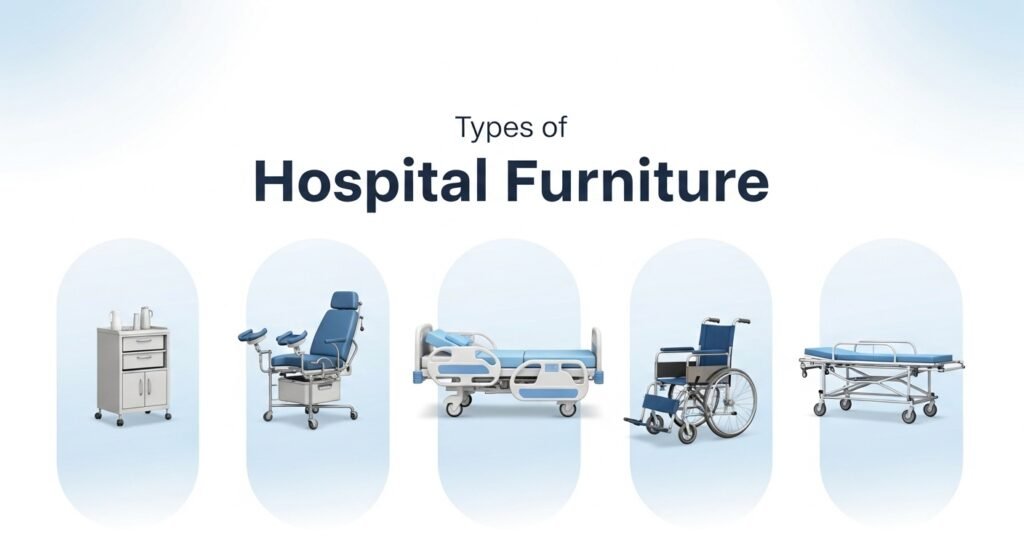
When we think about hospitals, our minds usually go to doctors, nurses, and advanced medical equipment. Yet there’s another crucial element that often goes unnoticed hospital furniture. From the bed a patient rests on to the chair a visitor uses, furniture plays a key role in shaping the overall healthcare experience. Understanding the Types of Hospital Furniture is essential, as each piece serves a specific purpose in patient care and hospital operations.
Choosing the right Hospital Furniture Manufacturer is crucial because hospital furniture directly affects patient care, staff efficiency, and overall safety. High-quality, durable furniture that meets strict hygiene and regulatory standards ensures a safe and comfortable environment for patients while supporting healthcare professionals in their daily tasks.
6 Hospital Furniture Essentials That Make a Difference
In this blog, we’ll explore the 6 essential Types of Hospital Furniture that every healthcare facility must have.
1. Hospital Beds – The Heart of Patient Care
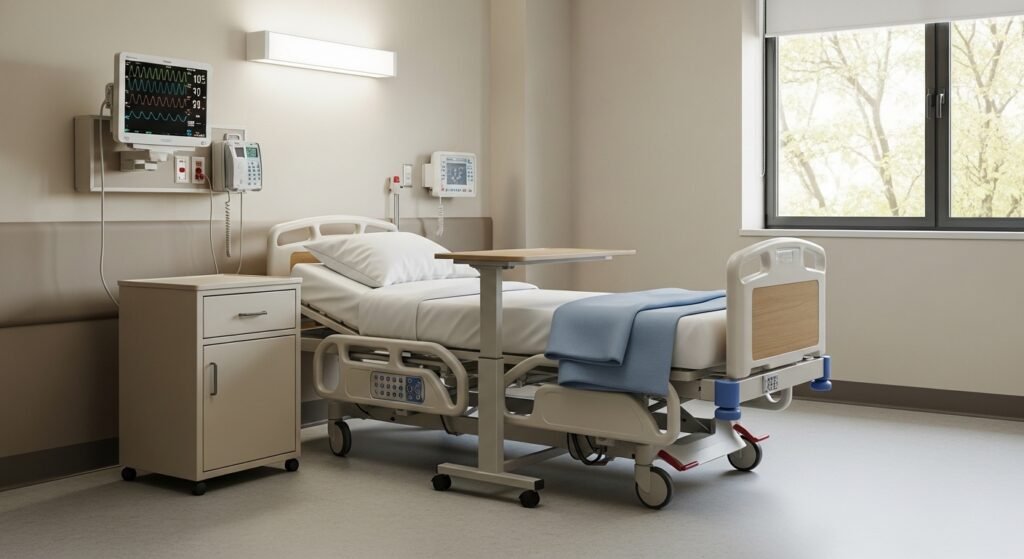
Hospital beds are the most important and commonly used furniture in any healthcare facility. Every patient, whether admitted for a short stay or long-term treatment depends on a comfortable and functional bed.
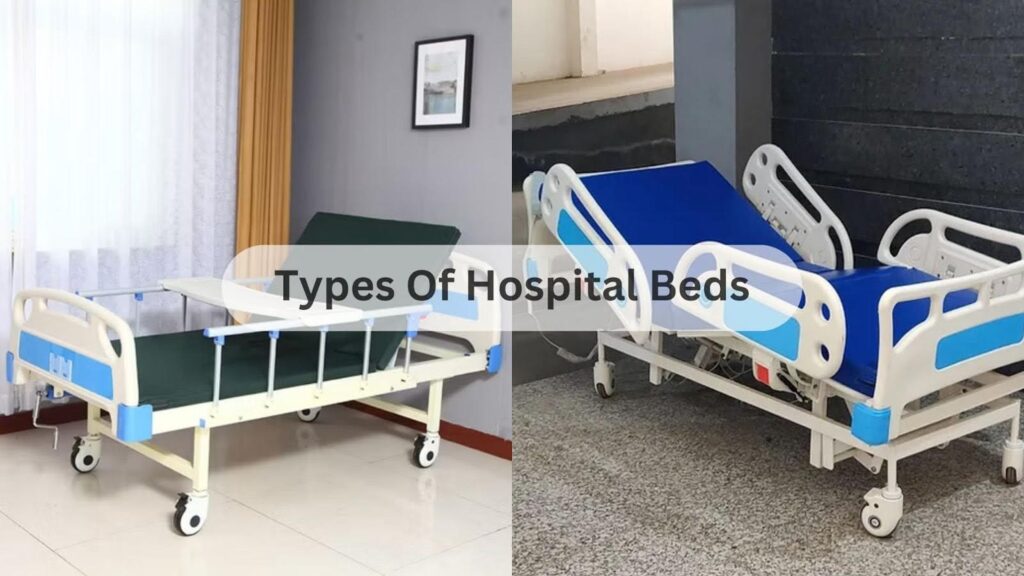
Types of Hospital Beds:
- Manual beds
- Semi-electric beds
- Fully electric beds
- ICU beds
Key Features:
- Adjustable height and backrest
- Side rails for patient safety
- Wheels with locking system
- Mattress compatibility
- Remote-controlled positioning (in electric beds)
Why Hospital Beds Are Essential:
Hospital beds are designed to support patient recovery. Adjustable positions help in better breathing, circulation and comfort. For healthcare staff, these beds reduce physical strain while treating patients.
A high-quality Hospital Beds also minimizes the risk of falls and injuries, making it a critical investment.
2. Patient Movement & Transport Trolleys – Safe Mobility
In a hospital, patients often need to be moved from one department to another like from the emergency room to the ICU or from the ward to the operation theater. This is where Hospital Stretcher Trolleys come into play.
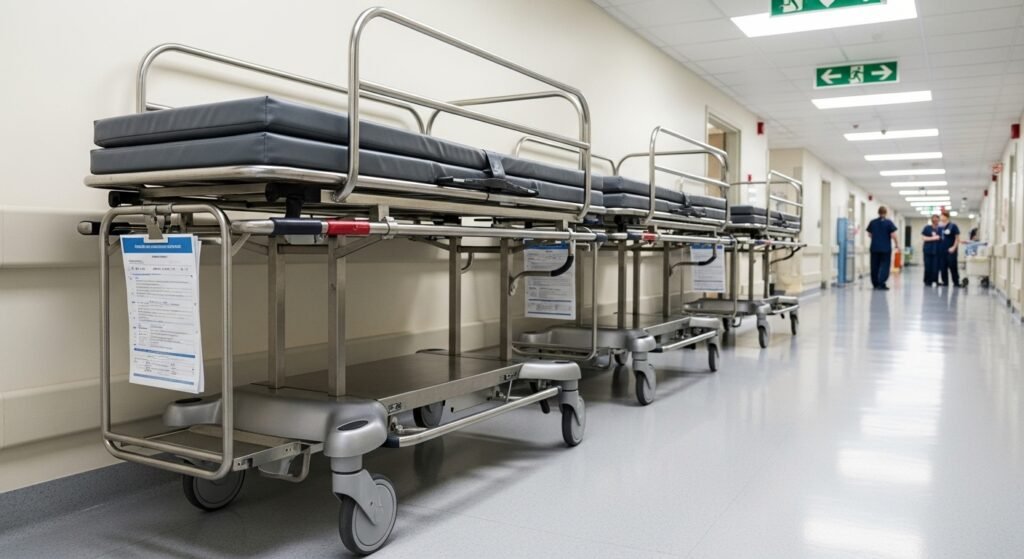
Key Features:
- Strong and durable frame
- Smooth-rolling wheels for easy movement
- Adjustable height
- Safety belts or side rails
- Shock-resistant design
Why Transport Trolleys Are Essential:
These trolleys ensure safe and quick patient movement, especially during emergencies. Without proper transport systems, moving patients can be risky and time consuming.
They also improve workflow efficiency in hospitals, allowing staff to handle critical situations faster.
3. Operating Room & Ward Equipment – Precision & Efficiency
Operating Room (OT) and ward trolleys are essential for organizing and carrying medical tools, medicines and equipment within the hospital.
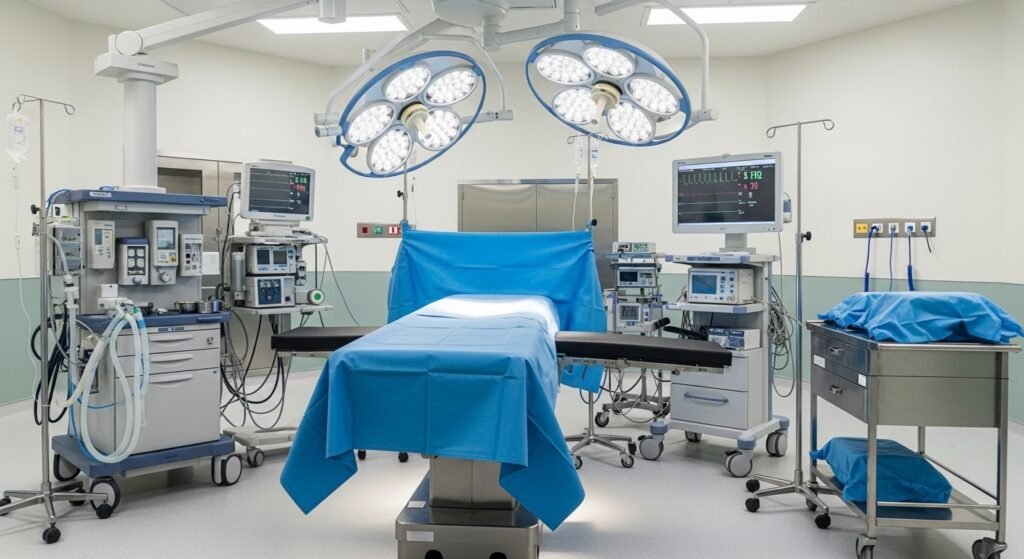
Types of Trolleys:
- Instrument trolley
- Dressing trolley
- Medicine trolley
- Crash cart (emergency trolley)
Key Features:
- Stainless steel body for hygiene
- Multiple shelves and drawers
- Easy mobility with wheels
- Rust-resistant and easy to clean
Why They Are Essential:
In medical environments, time and organization are critical. These Operational Room Trolleys help healthcare professionals keep everything within reach during procedures.
For example, during surgeries or emergencies having tools properly arranged can save lives.
4. Wheelchairs & Rehabilitation Aids – Patient Independence
Not all patients can walk independently. Wheelchairs from a trusted Wheelchair Manufacturer and rehabilitation aids provide essential mobility support.
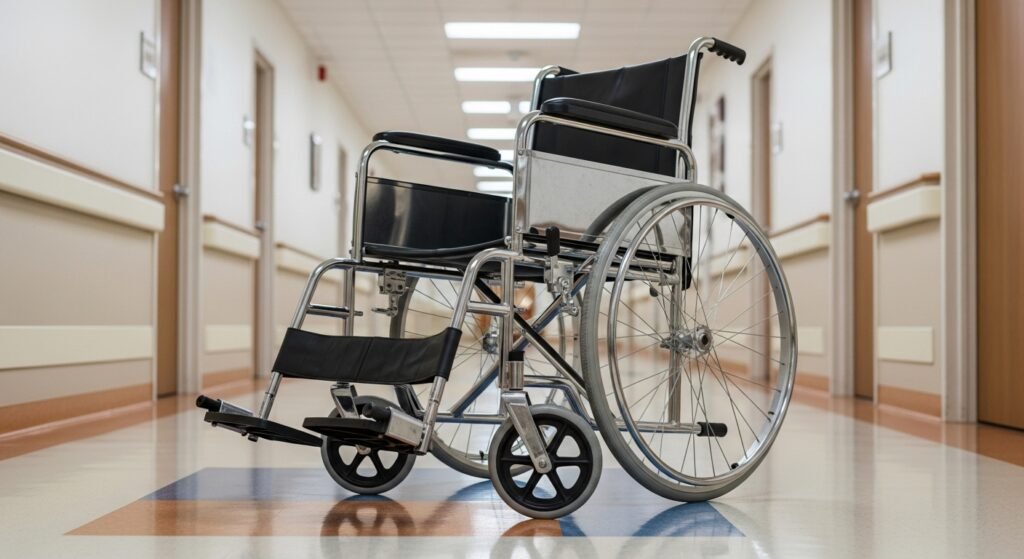
Types:
- Standard wheelchairs
- Foldable wheelchairs
- Electric wheelchairs
- Walkers and mobility aids
Key Features:
- Lightweight and durable structure
- Comfortable seating
- Foldable design for storage
- Footrests and armrests
- Easy maneuverability
Why They Are Essential:
Wheelchairs improve patient independence and reduce the burden on hospital staff. They are especially important for elderly patients, injured individuals, or those recovering from surgery.
Rehabilitation aids also support faster recovery by encouraging movement and physical activity.
5. Obstetrics & Examination Tables / Couches – Patient Comfort & Accurate Diagnosis
Obstetrics and examination tables are specially designed furniture used for patient check-ups, diagnosis and minor procedures. These tables are commonly found in OPDs, gynecology departments and general examination rooms.
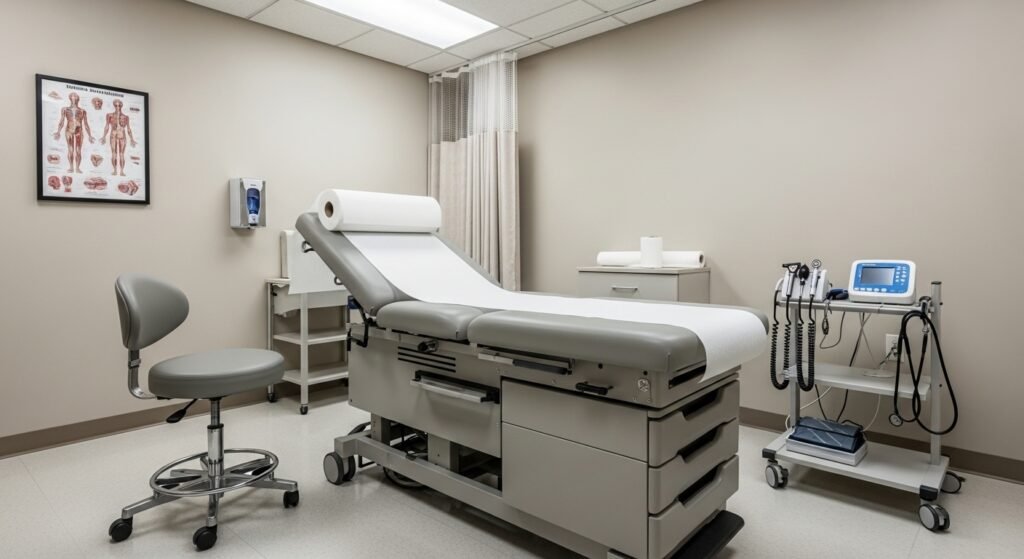
Types:
- General examination tables
- Gynecology/obstetric tables
- Adjustable examination couches
Key Features:
- Adjustable backrest and height
- Cushioned surface for patient comfort
- Sturdy and stable structure
- Easy-to-clean and hygienic materials
- Footrests and leg holders (for obstetric use)
Why They Are Essential:
These tables ensure patient comfort during examinations while allowing doctors to perform accurate diagnoses and procedures. Proper positioning improves accessibility for healthcare professionals, making examinations smoother and more efficient. Examination Table Manufacturers design a variety of models to meet different clinical needs, ensuring both patient comfort and practitioner convenience.
6. Operating Tables & Operating Lights – Visibility & Safety
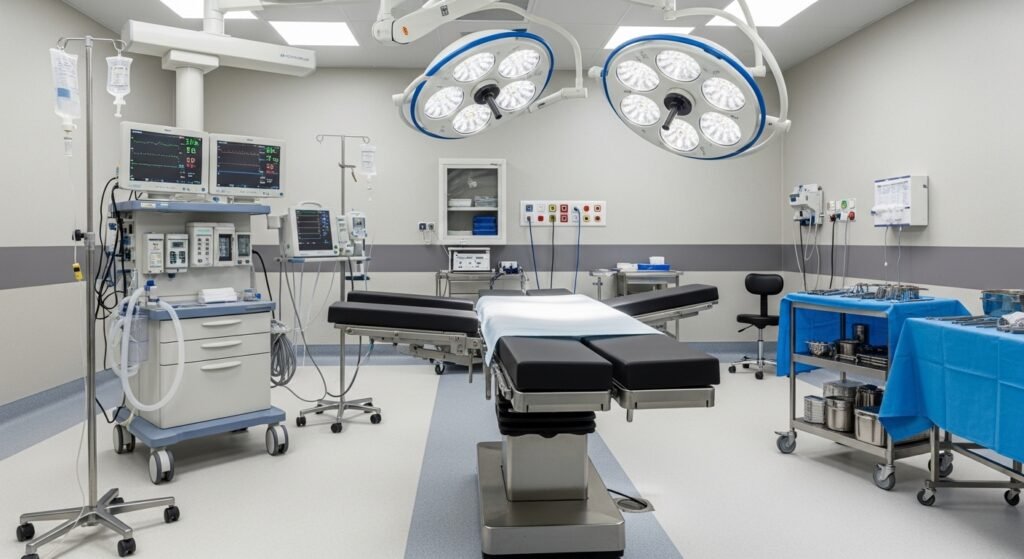
Operating tables and surgical lights work together as the backbone of any operation theatre. While the table ensures correct patient positioning, surgical lights provide clear, shadow-free illumination both are essential for safe and successful surgeries.
Types:
Operating Tables:
- Manual OT tables
- Hydraulic OT tables
- Electric OT tables
- Specialty tables (orthopedic, neuro, cardiac)
Surgical Lights:
- Ceiling-mounted lights
- Mobile surgical lights
- LED OT lights
- Halogen surgical lights
Key Features:
Operating Tables:
- Multi-position adjustability (height, tilt, sections)
- Remote or hydraulic control
- High weight capacity and stability
- Radiolucent surface for imaging
- Easy-to-clean, anti-bacterial material
Surgical Lights:
- Shadow-free illumination
- Adjustable brightness and focus
- Cool light (low heat emission)
- Energy-efficient LED technology
- Flexible positioning with multiple arms
Why They Are Essential:
In surgical environments, precision and visibility can directly impact patient outcomes. Operating Tables allow surgeons to position patients accurately for different procedures, reducing strain and improving access.
At the same time Operating Lights ensure that the operating area is clearly visible without shadows or glare, which is crucial for delicate and complex surgeries.
Together, they:
- Enhance surgical accuracy
- Improve patient safety
- Support advanced medical procedures
- Increase efficiency in operation theatres
Investing in high-quality operating tables and lights ensures a safe, modern, and well-equipped surgical environment, making them indispensable in every hospital.
Bonus: Specialized Hospital Furniture
Apart from the six main categories, hospitals also use specialized equipment based on their departments.
Examples:
- Obstetric tables (for childbirth)
- Examination couches
- Infant warmers (neonatal care)
- Sliding top operating tables
These are used in:
- Maternity wards
- Pediatric units
- Specialized treatment areas
How to Choose the Right Hospital Furniture
Selecting the right furniture is very important. Here are some simple tips:
1. Focus on Quality
Always choose durable and high-quality materials. Hospital furniture is used daily and must last long.
2. Ensure Safety
Look for features like side rails, brakes and stable structures.
3. Maintain Hygiene
Furniture should be easy to clean and resistant to bacteria.
4. Consider Comfort
Patient comfort leads to faster recovery and better satisfaction.
5. Check Mobility
Many hospital items need wheels for easy movement.
Benefits of High-Quality Hospital Furniture
Investing in good hospital furniture offers many advantages:
✔ Better Patient Care
Comfortable and functional furniture improves recovery and satisfaction.
✔ Improved Staff Efficiency
Doctors and nurses can work faster and more effectively.
✔ Enhanced Safety
Reduces risk of accidents and injuries.
✔ Long-Term Cost Savings
Durable furniture reduces replacement and maintenance costs.
✔ Professional Appearance
A well-equipped hospital builds trust and reputation.
Conclusion
Hospital furniture is the backbone of any healthcare facility. From patient beds to surgical equipment, each item plays an important role in delivering quality care.
Final Recap of the 6 Essential Types:
- Hospital Beds
- Patient Transport Trolleys
- Operating Room & Ward Trolleys
- Wheelchairs & Rehabilitation Aids
- General Hospital Furniture
- Operating Tables & Lights
By understanding these Types of Hospital Furniture, you can make better decisions when setting up or upgrading your hospital.
Investing in the right equipment not only improves patient care but also makes sure smooth hospital operations and long-term success.
Frequently Asked Questions (FAQs)
Q1. What are the most essential types of hospital furniture?
The most essential hospital furniture includes hospital beds, patient transport trolleys, operating tables, wheelchairs, examination tables, and ward equipment trolleys. These are required for patient care, mobility, and medical procedures.
Q2. Why is hospital furniture important in healthcare facilities?
Hospital furniture plays a key role in patient comfort, safety, hygiene, and treatment efficiency. Proper furniture helps healthcare staff work effectively and improves overall patient recovery.
Q3. What types of hospital beds are commonly used?
Common types of hospital beds include:
1. Manual beds
2. Semi-electric beds
3. Fully electric beds
4. ICU beds
Each type is designed based on patient needs and level of care required.
Q4. What is the use of patient transport trolleys?
Patient transport trolleys are used to safely move patients between different hospital areas, such as emergency rooms, operation theaters, and wards. They ensure smooth and secure patient handling.
Q5. What materials are best for hospital furniture?
Hospital furniture is usually made from stainless steel, powder-coated metal, or high-quality plastic, as these materials are durable, rust-resistant, and easy to clean for infection control.
Q6. What is the difference between an examination table and an operating table?
An examination table is used for routine check-ups and minor procedures, while an operating table is designed for surgeries and comes with advanced positioning and support features.